Welcome To Pampering4life Lifestyle

Thank you for following me and learning more on how you can live your "Best Life" each and everyday just by doing exciting things to awaken and pamper what is most important in your life. Pampering4life is a lifestyle of pampering all aspect of one's life. It is the ultimate indulgence of pampering your mind, body, and freedom. Please make sure to take time for yourself at least 10 minutes a day. Relax and feel your desire to live the life God has given you after all "Pampering4life" is a celebration of you....

About Me

My photo
New Jersey, United States
Just some information about me. I'm a wife, board certified integrative health counselor, and amateur ballroom dancer. I enjoy life by living each day like it is my last. One of my favorite hobbies is to travel, travel, travel, and to learn different cultures of all kinds. After a recent lay off..I realized my passion and purpose in life is to inspire people by showing them how to enjoy their life and to pamper all aspects of it. This includes your health, your wealth, and most important your mind by making the connection to what living is really about. Pampering4life is about making small changes and reaping BIG RESULTS! I look forward to opening up a new world for you so you to can live your BEST LIFE
Showing posts with label healing. Show all posts

Monday, March 18, 2013

Aromatherapy For Stress Relief


Are you stressed? Aromatherapy can be a tremendous help in stress relief. We are all faced with stress at some point in our lives. Controlling it is crucial to your overall health and well-being. Stress lowers your resistance and makes you more vulnerable to illness and disease. It can also be mentally crippling. Aromatherapy is a technique that uses the body's sense of smell to help boost your mood, relieve stress, energize and encourage better health. 
 
Aromatherapy stimulates different parts of the brain to achieve relaxation. One of which is the autonomic nervous system. The autonomic nervous system is controlled by the hypothalamus, which is responsible for how the body responds to stressful situations. Another part of the brain that it’s triggered is the limbic system. It is activated once the essential oils are inhaled. The essential oils stimulate the release of neurotransmitters such as encephalins and serotonin, which offers relaxation and elimination of stress.
Using Aromatherapy As Stress Relief

A great way for individuals to use herbal stress remedies is to bear the aroma with them. Prior to leaving the house, add in a few drops of essential oils on a paper towel or a hanky. Place it inside any plastic bag (e.g. a ziplock back) which allows the aroma to be enclosed. Every time one feels stressed, they can inhale deeply with the scented cloth near their noise. It allows the scent to be registered in the brain, which leads to stress relief. Make sure the oil doesn’t come in contact with the nose. The smell can be overwhelming and may also cause an allergic reaction. Aromatherapy for stress can be used with an oil burner. It can feel a room with the wonderful fragrance of tranquility.

 Aromatherapy for Stress – Stress Relief With Eucalyptus

Eucalyptus essential oil is one of the most affordable essential oils in the market. It can stimulate the brain, allowing better concentration. It helps relieve congestion is respiratory problems. It is also effective in warding off insects. It’s incorporated in room humidifiers and vaporizers for its antiseptic effects. Its effects can be strengthened when combined with other essential oils.

 Aromatherapy for Stress – Stress Relief With Lavender

Lavender essential oil has been used by many people with sleeping problems. It enhances sleep quality by inducing relaxation. According to plenty of studies, lavender is capable of relaxing the nervous system; thus, alleviating feelings of anxiety. Even agitated behavior can be reduced. In conjunction with other treatments, lavender aromatherapy can also provide pain relief.
 

Aromatherapy Stress Relief Blends
You can try the following aromatherapy blend to relieve the mental fatigue you might experience after a long day at work or when you’re just plain tired of thinking and want to drift away to a peaceful place...

·         Patchouli (5 drops)

·         Geranium (20 drops)

·         Bergamot (10 drops)

·         Lavender (5 drops)

·         Ylang ylang (10 drops)

Mix the above oils in 5 ounces of Sweet Almond carrier oil. Add it to your hot bath and relax. It’s also great as a massage blend.

Counting sheep and still can’t sleep? If you’re suffering from stress related insomnia try this essential oil blend:

·         Marjoram (9 drops)

·         Lemon (14 drops)

Add the above oils to an aromatherapy diffuser and let the scents work their magic to send you off to a peaceful sleep.
 
Eliminating stress completely from your life is impossible. However, there are ways to manage and reduce it. Whether your stress is mental, emotional, or physical you’ll benefit greatly by following a healthy diet, exercising regularly, and making time for uninterrupted relaxation with aromatherapy pure essential oils.

Monday, December 19, 2011

De-Stress Your Holiday With Yoga

Yoga has been practiced for more than 5,000 years, and currently, close to 11 million Americans are enjoying its health benefits. Yoga can hardly be called a trend.
Most Westernized yoga classes focus on learning physical poses, which are called asanas. They also usually include some form of breathing technique and possibly a meditation technique as well. Some yoga classes are designed purely for relaxation. But there are styles of yoga that teach you how to move your body in new ways. Choosing one of these styles offers the greatest health benefits by enabling you to develop your flexibility, strength, and balance. If the holiday time is keeping you stress learn how to do yoga. It is great for your mind and your health. Learn about some of the benefits of yoga below.


Physiological Benefits of Yoga

  • Stable autonomic nervous system equilibrium
  • Pulse rate decreases
  • Respiratory rate decreases
  • Blood Pressure decreases (of special significance for hyporeactors)
  • Galvanic Skin Response (GSR) increases
  • EEG - alpha waves increase (theta, delta, and beta waves also increase during various stages of meditation)
  • EMG activity decreases
  • Cardiovascular efficiency increases
  • Respiratory efficiency increases
  • Gastrointestinal function normalizes
  • Endocrine function normalizes
  • Excretory functions improve
  • Musculoskeletal flexibility and joint range of motion increase
  • Breath-holding time increases
  • Joint range of motion increase
  • Grip strength increases
  • Eye-hand coordination improves
  • Dexterity skills improve
  • Reaction time improves
  • Posture improves
  • Strength and resiliency increase
  • Endurance increases
  • Energy level increases
  • Weight normalizes
  • Sleep improves
  • Immunity increases
  • Pain decreases
  • Steadiness improves
  • Depth perception improves
  • Balance improves
  • Integrated functioning of body parts improves

Psychological Benefits of Yoga

  • Somatic and kinesthetic awareness increase
  • Mood improves and subjective well-being increases
  • Self-acceptance and self-actualization increase
  • Social adjustment increases
  • Anxiety and Depression decrease
  • Hostility decreases
  • Concentration improves
  • Memory improves
  • Attention improves
  • Learning efficiency improves
  • Mood improves
  • Self-actualization increase
  • Social skills increases
  • Well-being increases
  • Somatic and kinesthetic awareness increase
  • Self-acceptance increase
  • Attention improves
  • Concentration improves
  • Memory improves
  • Learning efficiency improves
  • Symbol coding improves
  • Depth perception improves
  • Flicker fusion frequency improves

Biochemical Benefits of Yoga

  • Glucose decreases
  • Sodium decreases
  • Total cholesterol decreases
  • Triglycerides decrease
  • HDL cholesterol increases
  • LDL cholesterol decreases
  • VLDL cholesterol decreases
  • Cholinesterase increases
  • Catecholamines decrease
  • ATPase increases
  • Hematocrit increases
  • Hemoglobin increases
  • Lymphocyte count increases
  • Total white blood cell count decreases
  • Thyroxin increases
  • Vitamin C increases
  • Total serum protein increases
  • Steadiness improves
  • Depth perception improves
  • Balance improves
  • Integrated functioning of body parts improves

Monday, October 10, 2011

Breast Cancer Awareness Month: Living Stress Free

Stress hormones are just as bad as smoking cigarettes daily when it comes to your body. As women we need to learn how to live more stress free to help prevent any onset of stress hormones which can lead to a weaken immune system which can now lead to breast cancer.
People who are stressed are less productive at work and their social life suffers. We have all been brainwashed to
believe that stress is a daily part of our lives and there is no way to stop stress. That ain't necessarily so.


  Here are stress management tips to reduce stress and live a more productive stress free life.

    • 1
      Get Fit! Take care of your health and you will be able to deal with stress. Get proper amount of sleep, exercise, and watch your weight.
    • 2
      Don't Worry Be Happy. Don't think about what could happen tomorrow or what happened yesterday. This places additional stress on the body and mind. Live fully in the moment.
    • 3
      Volunteer. People who actively help others have very little time to stress over their own problems. Get involved with local charity groups or a neighborhood organization.
    • 4
      De-Clutter. Clean out the clutter in your home, bounce a bad relationship that adds stress. Reduce social activities or work related overload. De-clutter to de-stress.
    • 5
      Humor. Laugh out-loud at your problems. See the funny in all of life's situations. A laugh a day will keep the stress away.
    • 6
      Don't Bully People. Everyone doesn't have to do as you do or even do as you say. You are not the boss of the universe. Many stressed out people are type "A" personalities who are driven. And control freaks. Let go.
    • 7
      Anger Management. Don't get mad. Smile. When rude, gruff, nasty people get under your skin act kindly and smile. A smile will kill any anger and reduce stressful situations.
    • 8
      Think Positive. Stop listening to negative voices in your head. Every time a negative thought enters the mind...think STOP! Then replace it with a positive thought. Mastering a positive attitude is often hard and it will take some time. But give it a try.
    • 9
      Names. See problems as opportunities to learn. Giving a different name to a situation will ease stress and tension.
    • 10
      Don't Play the Blame Game. Don't blame stress on others. Your mind controls what you say and think and do. Choose to face stress in a calm and controlled manner. Take a deep breath...Now wasn't that much better.
      Soon you will feel stress relief and live a stress free life.


Monday, August 1, 2011

Pampering4life Healthy Mind Series: Gratitude


The spiritual practice of gratitude has been called a state of mind and a way of life. But we prefer to think of it as a grammar — an underlying structure that helps us construct and make sense out of our lives. The rules of this grammar cover all our activities. Its syntax reveals a system of relationships linking us to the divine and to every other part of the creation.

To learn the grammar of gratitude, practice saying "thank you" for happy and challenging experiences, for people, animals, things, art, memories, dreams. Count your blessings, and praise God. Utter blessings, and express your appreciation to everything and everyone you encounter. By blessing, we are blessed.


Have you ever noticed that some people seem to be able to maintain a relatively positive attitude regardless of what’s happening around them? Like everyone, they can appreciate the good times, but they also seem to be able to focus on the positive in the face of some pretty negative events. They see the good in difficult people, they see the opportunity in a challenging situation, and they appreciate what they have, even in the face of loss. Would you like to increase your ability to maintain a positive attitude in your life, even in the face of significant stress?

Fortunately, a positive attitude can be cultivated, with a little practice. Although we are born with specific temperamental tendencies, the brain is a muscle, and you can strengthen your mind’s natural tendency toward optimism if you work at it.

While several factors go into emotional resilience and optimism, studies show that cultivating a sense of gratitude can help you maintain a more positive mood in daily life and contribute to greater emotional well-being and bring social benefits as well. Cultivating gratitude is one of the simpler routes to a greater sense of emotional well-being, and can be accomplished in several ways. For the next few weeks, try some of the following exercises, and you should notice a significant increase in your feelings of gratitude -— you will likely find yourself noticing more positive things in your life, dwelling less on negative or stressful events and feelings of ‘lack,’ and having a greater sense of appreciation for the people and things in your life.

Make Gentle Reminders

When you notice yourself grumbling about a negative event or stressor in your life, try to think of 4 or 5 related things for which you are grateful. For example, when feeling stressed at work, try to think about several things that you like about your job. You can do the same with relationship stress, financial stress, or other daily hassles. The more you gently remind yourself of the positives, the more easily a shift toward gratitude can occur.

Be Careful With Comparisons

Many people cause themselves unnecessary stress by making comparisons. More specifically, they cause themselves stress by making the wrong comparisons. They compare themselves only to those who have more, do more, or are in some way closer to their ideals, and allow themselves to feel inferior instead of inspired. In cultivating gratitude, you have one of two options if you find yourself making such comparisons: You can either choose to compare yourself to people who have less than you (which reminds you how truly rich and lucky you are), or you can feel gratitude for having people in your life who can inspire you. Either road can lead away from stress and envy, and closer to feelings of gratitude.

Keep a Gratitude Journal

One of the best ways to cultivate gratitude is to keep a gratitude journal. Not only are you combining the benefits of journaling with the active adoption of a more positive mindset, you are left with a nice catalog of happy memories and a long list of things in your life for which you are grateful. (This can be wonderful to read during times when it’s more difficult to remember what these things are.) Keeping a gratitude journal is simple; see this gratitude journal article for ideas on different ways to maintain one. Because habits are usually formed within two or three weeks, you will have to actively focus on maintaining gratitude less and less as you go, and the habit of a more positive (and less stress-inducing) attitude will be more automatic. And greater feelings of emotional well-being can be yours.

Monday, June 6, 2011

The Importance Of Your Beauty Sleep

Restless Night's
Are you up all night?
The average night’s sleep for adults in the United States dropped to six and a half hours from more than eight. Some experts predict a continuing decline, thanks to distractions like e-mail, instant and text messaging, and online shopping.
Age can have a detrimental effect on sleep. In a 2005 national telephone survey of 1,003 adults ages 50 and older, the Gallup Organization found that a mere third of older adults got a good night’s sleep every day, fewer than half slept more than seven hours, and one-fifth slept less than six hours a night.
With advancing age, natural changes in sleep quality occur. People may take longer to fall asleep, and they tend to get sleepy earlier in the evening and to awaken earlier in the morning. More time is spent in the lighter stages of sleep and less in restorative deep sleep. R.E.M. sleep, during which the mind processes emotions and memories and relieves stress, also declines with age.
Habits that ruin sleep often accompany aging: less physical activity, less time spent outdoors (sunlight is the body’s main regulator of sleepiness and wakefulness), poorer attention to diet, taking medications that can disrupt sleep, caring for a chronically ill spouse, having a partner who snores. Some use alcohol in hopes of inducing sleep; in fact, it disrupts sleep.
Add to this list a host of sleep-robbing health issues, like painful arthritis, diabetes, depression, anxiety, sleep apnea, hot flashes in women and prostate enlargement in men. In the last years of his life, my husband was plagued with restless leg syndrome, forcing him to get up and walk around in the middle of the night until the symptoms subsided. During a recent night, I was awake for hours with leg cramps that simply wouldn’t quit.


Getting Enough Sleep Daily
Beauty Rest and Beyond
A good night’s sleep is much more than a luxury. Its benefits include improvements in concentration, short-term memory, productivity, mood, sensitivity to pain and immune function.
If you care about how you look, more sleep can even make you appear more attractive. In a study published online in December in the journal BMJ, researchers in Sweden and the Netherlands reported that 23 sleep-deprived adults seemed to untrained observers to be less healthy, more tired and less attractive than they appeared to be after a full night’s sleep.
Perhaps more important, losing sleep may make you fat — or at least, fatter than you would otherwise be. In a study by Harvard researchers involving 68,000 middle-aged women followed for 16 years, those who slept five hours or less each night were found to weigh 5.4 pounds more — and were 15 percent more likely to become obese — than the women who slept seven hours nightly.
Michael Breus, a clinical psychologist and sleep specialist in Scottsdale, Ariz., and author of “The Sleep Doctor’s Diet Plan,” points out that as the average length of sleep has declined in the United States, the average weight of Americans has increased.
There are plausible reasons to think this is a cause-and-effect relationship. At least two factors may be involved: more waking hours in homes brimming with food and snacks; and possible changes in the hormones leptin and ghrelin, which regulate appetite.
In a study published in 2009 in The American Journal of Clinical Nutrition, Dr. Plamen D. Penev, an endocrinologist at the University of Chicago, and co-authors explored calorie consumption and expenditure by 11 healthy volunteers who spent two 14-day stays in a sleep laboratory. Both sessions offered unlimited access to tasty foods. During one stay, the volunteers — five women and six men — were limited to 5.5 hours of sleep a night, and during the other they got 8.5 hours of sleep.
Although the subjects ate the same amount of food at meals, during the shortened nights they consumed an average of 221 more calories from snacks than they did when they were getting more sleep. The snacks they ate tended to be high in carbohydrates, and the subjects expended no more energy than they did on the longer nights. In just two weeks, the extra nighttime snacking could add nearly a pound to body weight, the scientists concluded.
These researchers found no significant changes in the participants’ blood levels of the hormones leptin and ghrelin, but others have found that short sleepers have lower levels of appetite-suppressing leptin and higher levels of ghrelin, which prompts an increase in calorie intake.
Sleep loss may also affect the function of a group of neurons in the hypothalamus of the brain, where another hormone, orexin, is involved in the regulation of feeding behavior.
True Health Comes From Rest
The bottom line: Resist the temptation to squeeze one more thing into the end of your day. If health problems disrupt your sleep, seek treatment that can lessen their effect. If you have trouble falling asleep or often awaken during the night and can’t get back to sleep, you could try taking supplements of melatonin, the body’s natural sleep inducer. I keep it at my bedside.
If you have trouble sleeping, the tips accompanying this article may help. And if all else fails, try to take a nap during the day. Naps can enhance brain function, energy, mood and productivity.

Monday, May 16, 2011

The Great Benefits Of Drinking Water

Drink 8 to 10 Glasses Per Day
You could possibly live up to several weeks without food, but without water, you will die in a matter of days. In that sense, water is the most essential nutrient, coursing through your body via your bloodstream, hydrating and delivering nutrients to every organ and removing toxins and waste material. About 60 percent of your body weight is water. It is a component of every cell and a participant in many chemical reactions that occur throughout the body.

Hydration

Thirst is a sign that your body and, specifically, your blood are low in water. A series of shifts occurs in your body functions. Water that has been collected and is ready to be excreted now goes back to your bloodstream. Your mouth feels dry because water is being drawn out of your salivary glands and into your blood. You may feel tired and weak. Your body is drawing water from anywhere it can to keep your blood volume normal and your blood pressure stable.

Don't wait until you feel thirsty to drink water. The best thing to do to prevent dehydration is to drink water with and between meals throughout the day.

Heat Regulation

Water helps regulate both internal and external body temperature. When you sweat, the evaporation of water cools both your skin and the blood lying below. If you live in or visit a particularly hot climate, you probably need to drink more water than in a colder climate.

Digestion and Absorption

Water aids in the digestive system by helping to break food down into nutrients in the stomach and aiding in the absorption of nutrients from the intestine into the bloodstream, where they are carried throughout the body.
Carry Extra Water When Exercising

Lubrication and Protection

Water lubricates and cushions all the joints in your body. The fluid in your eyes and mucous membranes is water-based. All of your body tissues are moistened with water. The amniotic fluid in which a fetus floats is mostly water.

Balance

You need to excrete a minimum of 2 cups of water every day to rid your body of dissolved waste materials. The average loss in urine is about 6 1/2 cups. Another 4 cups is lost to breathing, sweating and solid waste. To maintain your body's water balance, you must replenish that lost water. You can do this by drinking at least 8 cups of water a day, preferably more; the rest will come from water in the foods you eat.

It is important to maintain your body's water and electrolyte (mineral) balance so that every cell in your body contains the right amount and mix of fluids. In addition to drinking enough water every day, be sure to replace fluids lost from vomiting or diarrhea. A severe disturbance in this balance can ultimately lead to a heart attack and death.


  1. Feel Better

    • Water is necessary to keep your intestines and kidneys functioning properly. Water prevents constipation and keeps the salts and minerals in your kidneys diluted, so they can't form kidney stones. Proper hydration may even help prevent the flu and ease headaches.

    Look Better

    • The skin is the largest organ of the body. When properly hydrated, wrinkles appear less deep and the skin takes on a healthy glow.

    Move Better

    • Water is essential for proper lubrication of joints and muscles. Staying well-hydrated while exercising can help prevent muscle cramps. According to Cruising Chemistry, a website supported by Duke University, the blood is 83 percent water, so the more water you drink while exercising the greater your blood volume and the more oxygen the blood is able to transport to keep you energized.

    Lose Weight

    • Water is a natural appetite suppressant. Drinking a glass of water before every meal can make you feel fuller and help you eat less. Also, water is a major component of food. If you are not drinking enough water, your body may begin to crave food to replace the water deficit. Then, you not only get the water but the extra calories.


      H2O
      As you can see water is a very important part of life that we often take advantage of daily. You must incorporate drinking water for ultimate health and wellness. How much water can be determined by your weight and other factors. Remember, wellness is not just a focus but rather a lifestyle. If you are wanting to know more about how to calculate the right amount of water you should drink daily? Get serious and hire your personal healing team GetHealthy2011 Here is to your health and happy H2O drinking.


Tuesday, May 3, 2011

Take Charge Of Your Self-Image: Love You Just The Way You Are

Accepting Who You Are
Negative self-esteem and a low self-image are among the leading challenges confronting teenagers and adults. Here are some tips on coping with self-esteem issues.
Self-esteem and depression go hand in glove. So do low self-image and poor performance. And that low performance can be evidenced at home, at school, and at the workplace -- resulting in negative consequences and, thus, even lower self-esteem. It can be a depressing, never-ending cycle. How then can a person overcome a low self-image and build a strong sense of self-worth?

1. Take Charge of Your Mind

"If you see yourself as unqualified, insignificant, unattractive, inferior, or inadequate, you will probably act in accordance with your thoughts," writes Joel Osteen, the popular pastor and bestselling author. "If your self-worth is low, you will imagine yourself as a born loser, a washout, unworthy of being loved and accepted."
What's the solution? Simple: Take charge of your mind!

Stop letting your mind dictate negative thoughts to you - and then watching yourself perform (or not) accordingly. Your life is too important for you to let yourself be a spectator or (worse) a victim.
Take charge of your thoughts. That's the key to emotional stability. So, do it right now. One way to do this is to watch what goes into your mind. If you feed your mind with angry music, addictive behavior, gossip, and/or other negative input, don't be surprised at the negative result. Determine to put positive stuff in your mind. Keep the negative to a minimum.
What sort of positive stuff? Inspirational music...constructive reading (such as books and articles from self help experts)...healthy relationships...prayer...and so on.
By this one simple step, you can achieve emotional stability and vanquish  fears and insecurities that may be plaguing you.

Loving YOU

2. Decide to Accept Yourself

There is only one "YOU" in the universe. And that is the person that YOU are responsible for. Don't let other people dictate the value of "you." This is not an area in which you can be a spectator. The sad truth is that we're accustomed to being spectators - TV, sports, even the Internet. Don't be a spectator with your life. You need to be the leader in your life. And that starts with accepting who you are, understanding where you're at, and then deciding where you're going - and how you're going to get there.

3. Encourage and Serve Others

The very best way to enhance your personal worth and value is to serve others. Do unto others as you would have them do unto you. That's right -- the Golden Rule! Practice it. Live by it.
Love your neighbor as you love yourself. Note the symbiotic implications there. If you don't love your neighbor, what does that do to your attitude toward yourself? Is it any coincidence that the most self-centered people tend to be the most bitter and paranoid?
Make a conscious decision to enhance the lives of those around you. Pay them sincere compliments. Encourage them. Help them. Assist them. Listen to them. You will never lack for friends if you do these things -- sincerely. Don't fake it. People will ultimately spot a fraud. You must do this honestly and sincerely. If you do, your life will change dramatically for the better.


Sunday, April 10, 2011

Cultivate The Healthy, Happy, Peaceful, Life You Always Wanted Starting Now

HAPPINESS
Each of us faces tremendous challenges every day. As we get up each morning, we may face bumper to bumper traffic, getting the kids off to school, a career "make or break" report due to the boss, not enough time in the day to accomplish all you need to do, and so much more. Everyday life can simply get us down, and cause many form of stress, depression, and anxiety. Stress is a fact of life but you can choose not to make it a way of life for you. By incorporating most or all of the tips below, you will experience more joy and less stress, be well on your way to creating a healthy, happy, peaceful, fulfilling, and soul-satisfying life.
Healthy, Happy, Peaceful, Life
  • Exercise.
  • Physical exercise is an effective means of reducing stress and tension. A single dose of exercise works even better than tranquilizers as a muscle relaxant among individuals with symptoms of anxiety and tension, but without any undesirable side effects. In a classic study of tense and anxious people, Herbert de Vries, PhD, former director of the Exercise Physiology Laboratory at the University of Southern California, administered a 400-milligram dose of meprobamate, the main ingredient in many tranquilizers, to a group of patients. On another day, he had these same patients take a walk vigorous enough to raise their heart rates to more than one hundred beats per minute. Using an EMG (electromyogram) machine to measure the patients' tension levels as shown by the amount of electrical activity in their muscles, de Vries found that after exercise the electrical activity was 20% less than the patients' normal rate, indicating their bodies were less tense. By contrast, the same patients showed little difference after the dose of meprobamate. Along with exercising outdoors in nature, yoga is an excellent exercise for reducing stress. A study of yoga-class beginners found that workouts left them less nervous and more energetic. Another study found that yogis go through life with lower stress hormone levels.
  • Meditation.
  • Practicing regular meditation is one of the best ways to bring stress hormone levels back to normal quickly, especially after an adrenaline-producing, cortisol-raising experience. I know of no more effective way to bring about relaxation than through meditation-turning inward in silence and reconnecting with the peace and calmness that's always within you. Nurture this inner peacefulness by book-ending your day with quiet meditation for at least 15 minutes first thing in the morning and again before you go to sleep at night. This quietude will remind you that you can make the choice every day to live in the world but not be caught up in the frenzy of it. Part of the meditation process is focused, deep breathing. In fact, conscious breathing-inhaling and exhaling slowly and deeply-is itself a form of meditation. In addition to practicing deep breathing while meditating, take mini breathing breaks throughout your day. While you're breathing, be sure to focus on your breath or a relaxing, peaceful thought and not on anything that might be stressful.
  • Proper Diet.
  • Because fresh fruits and vegetables are the foods highest in water content, and because they are the foods easiest to digest, they take stress off your digestive system and are what I refer to as "body-friendly" foods, especially if you eat them in their raw, natural, organic state. Keep the following three tips in mind when planning your meals. 1) Eat at least 8 servings of fruits and vegetables daily. Emphasize the vegetables, especially leafy greens like romaine lettuce, spinach, Swiss chard, collards, and fresh sprouts. 2) Eat a variety of fruits and vegetables to obtain the widest selection of nutrients that boost immunity, beautify skin, accelerate fat loss, increase energy, prevent heart disease, and fight cancer. 3) Select produce with rich, diverse colors. Many of the beneficial antioxidants in fruits and vegetables are also the pigments responsible for making them red, orange, purple, green, or yellow. Besides being rich in fiber, phytonutrients, chlorophyll, antioxidants, minerals, and enzymes, life-giving fruits and vegetables provide vitamins and minerals that help the body when it's under stress. And don't forget to drink at least 8 glasses of pure water every day. When you don't get enough water, the result is added stress on all of the organs and cells in the body. Dehydration can also lead to frequent headaches, general fatigue, dizziness, and weight gain. That's right. A shortage of water will result in excess water weight, as too little water causes our bodies to store water outside of our cells, making us feel bloated and heavy. Drinking plenty of water will actually help you lose or maintain a healthy weight, too. Water is calorie-free, suppresses the appetite naturally (drink a large glass 15 minutes before mealtime on an empty stomach), and helps metabolize fat. Without enough water, your kidneys can't function properly, which forces them to send some of their workload to your liver. Since one of the liver's main functions is to metabolize stored fat, the added work from the kidneys means that the liver burns less fat, so that more fat remains in the body-usually in the hips and thighs for women and around the waist for men. If you desire to lose some fat, it's a good idea to drink at least three extra glasses of water every day.
  • Supplements.
  • Creating vibrant health is a combination of several factors. Along with a healthy diet that emphasizes fresh organic fruits and vegetables, whole grains, legumes, lean protein, and plenty of water, your body also needs exercise, proper rest and sleep, a positive attitude, the ability to laugh at yourself, quality time in nature, and the best whole food supplements.
  • Massage.
  • Studies reveal that therapeutic massage can cut cortisol levels, lower blood pressure, and boost immunity. Additionally, massage reduces stress and tension, improves circulation, relieves muscle spasms, helps rid the body of toxins and retained fluids, and improves the skin. In terms of weight loss, the person massaging you is burning more calories than you are, but as your stress is massaged away, your hormones will be more balanced, which aids in fat reduction. Some people claim it aids in cellulite reduction. While I've never seen any good studies to prove that, I have seen impressive results in clients. Best of all, I know that massage feels terrific and for all the reasons above, I look forward to several massages each month.
  • Sleep.
  • America is a chronically sleep-derived nation, and lack of sleep undermines the body's inherent ability to deal with stress. There is nothing more restorative for your body than a good night's sleep, night after night after night. Consistent lack of sleep can lead to a variety of health problems, including toxic build-up, weight gain and aging, depression, irritability and impatience, low sex drive, memory loss, lethargy, relationship problems, accidents, and at least 1,500 reported "drowsy driving" fatalities each year. Studies show that driving on only 6 hours sleep is like driving drunk.
    One clear sign of sleep deprivation is needing an alarm clock to roust you out of bed in the morning. To dramatically improve your alertness, mood, appearance, and overall health, as well as help normalize stress hormones, try to get to bed 30 to 60 minutes earlier than you're used to. Exercise helps you sleep better but you don't want to engage in strenuous exercise too late at night because it accelerates the body's metabolic rate, which remains "revved up" for a few hours, making it tough to sleep. Morning exercise routines or, if you've got insomnia, exercising 4 hours before bedtime, will help you sleep much better.
  • Nature.
  • Being out in nature, where the air is filled with salubrious negative ions, lifts the spirits, relaxes the body, and gives us a sense of well-being. The air all around us is electrically charged with positive and negative ions. Most of us live and work in environments dominated by technology-surrounded by computers, microwaves, air conditioners, heaters, TV's, and vehicular traffic. These and other "conveniences" of modern life emit excessive amounts of positive ions into the air we breathe, which can result in mental or physical exhaustion and affect overall wellness as described above. But when you're in nature, especially surrounded by water, like the ocean, or in the mountains surrounded by trees and greenery, negative ions abound. In fact, the revolving water generated by fountains creates negative ions that cause air particles to achieve electrical (ionic) balance. You can increase negative ions in your home or office space by the addition of green plants and water fountains.
  • Laughter.
  • Laugh as often as possible. Along with my faith in God, meditation, and spending quality time out in nature, laughter is one of the best ways I know to help mollify stress. It is okay to laugh, even when times are tough. Toxic worry almost always entails a loss of perspective and a sense of humor almost always restores it. It was Norman Cousins, a noted journalist and author who, during a life-threatening illness, was able to achieve two hours of pain-free living for every ten minutes he devoted to laughter. In his wonderful book, Anatomy of an Illness, he told about how he watched old Marx Brothers comedies, the Three Stooges, and Candid Camera by the hour. He learned that laughter-hearty belly laughter-produced certain chemicals in the brain that benefit body, mind, and emotions. According to researchers, Cousins was right on! Laughter releases endorphins into the body that act as natural stress beaters. It aids most-and probably all-major systems of the body. A good laugh gives the heart muscles a good workout, improves circulation, fills the lungs with oxygen-rich air, clears the respiratory passages, stimulates alertness hormones that stimulate various tissues, helps relieve pain, alters the brain by diminishing tension in the central nervous system, and counteracts fear, anger, and depression, all of which are linked to physical illness and stress.
  • Simplify.
  • Simplification is to your life what healthy foods, sleep, water, exercise, and positive thinking are to your body; they all rejuvenate your life and reduce stress. Start by de-cluttering your personal environment, either at work and/or home. Even something as simple as organizing your desk will make you more efficient and help to relieve stress. What makes a world of difference in my life is the 15 minutes I spend before I leave the office. I use that time to straighten my desk and make a list of all the things I want to do the next day. I can go home with my work left neatly behind me and the knowledge that tomorrow I can easily pick up where I left off. Living an uncluttered life (and this includes drawers, cupboards, closets, and day-to-day scheduling) gives me time for the things I really care about, like time to think, to read, to walk in nature, to meditate, and watch the sunset. Through simplification, I am more clear-minded and, I believe, a kinder, more sensitive person. But it's hard for me to live a stressless life when my environment is surrounded by clutter and I have no time during the day to call my own. Spend a few minutes each day and clean out one drawer, cupboard, or closet. That's easier than committing to taking an entire week off to simplify your entire life. One step at a time is practicable and within a month or so, you will be living and working in an environment that brings you more joy and less stress.
  • Gratitude.
  • Be positive and grateful every day. The link between mind and body has been contemplated since the time of Plato, but it's only recently that research has been done on the neurophysiology of the brain. Every thought transmits instructions to the body through some 70 trillion nerve cells, so when you think a negative thought, your immune system is immediately compromised. By the same token, when you think positive thoughts, your immune system is enhanced and your whole body benefits. Furthermore, an anxious or fearful mind instructs the body to be likewise-tense and nervous. A calm mind creates a calm body. So choose your thoughts wisely. A new report from the Mayo Proceedings suggests that individuals who profess pessimistic explanations for life events have poorer physical health and a higher mortality rate compared with either optimists or "middle-of-the-road" types, regardless of age or sex. In fact, every 10-point increase in the study's pessimism scores was associated with a 19% increase in the risk of death. Conversely, participants whose test scores indicated optimism had a survival rate significantly better than expected. The reason for this may be that pessimists may be more "passive" or have a "darker" outlook on life than other personality types, leaving them more prone to "bad life events"-such as illness, injury, and depression. The researchers concluded that pessimism itself is a "risk factor" for early death, and should be viewed in the same way as other risk factors, such as obesity, high blood pressure, or high cholesterol level. One way to foster a positive attitude is to cultivate an attitude of gratitude. Gratitude (and appreciation) is a magnetic force that draws more good to each one of us. It's a dynamic spiritual energy that allows you to exert a powerful influence on your body, life, and world. Most importantly, it's a stellar stress-buster. What you think about consistently, you bring about in your life. Keep a gratitude journal and each day write down at least three things for which you are grateful. Focusing on the positive things, even during the most difficult times, is the perfect remedy to reduce and alleviate stress. And if you don't feel positive and grateful, "fake it until you make it," as the saying goes.
    The New You
    In other words, "acting as if" will help you through many challenging times and carry you on to better times. It was Shakespeare who championed this sage advice in his immortal words in Hamlet: "Assume a virtue, if you have it not."
  • Relaxation.
  • Do you practice some type of relaxation in your life? If you're like most people, you put relaxation near the bottom of your "to do" list each day. One of the world's leading experts on the brain is a Harvard medical doctor, Herbert Benson, author of The Relaxation Response and Your Maximum Mind. What Benson calls "the relaxation response" is the body's ability to enter into a state characterized by an overall reduction of the metabolic rate and a lowered heart rate. According to Benson, this state of relaxation also acts as a door to a renewed mind and a changed life, a feeling of awareness. He describes the physiological changes that occur when you are relaxed as a harmonizing or increased communication between the two sides of the brain, resulting in feelings often described as well-being, unboundedness, infinite connection, and peak experience. One way to cultivate calmness and peacefulness is to progressively relax your body, beginning with your toes and ending with your head. Breathe slowly and deeply and totally relax each part of your body, saying to yourself as you go along, "My toes, feet, legs [and so on] are relaxed," until you have gone through your entire body. Then rest for a while in the quiet and silence. Listening to a relaxation or meditation tape may also be helpful and I have several available through my website below. When you make time daily day for a few minutes of deep relaxation, you will experience more joy and less stress. And if you incorporate most of the above stress-buster suggestions, you'll enrich your experience of living and achieve the goal of a balanced life. 
Celebration Of Life
    Happiness and living your best life is all up to you. Take each day and thank God for your blessings that you already have and for what he is about to do in your life. If you live each day like it's your last you will truly have the healthy, happy, peaceful, life you seek. You will be "Pampering4life" which is the ultimate indulgence in YOU. Your life is waiting for you when are you going to show up?

Tuesday, February 22, 2011

15 Healthy Berries For You To Eat Daily

Fresh berries hanging from a branch are some of summer's most anticipated gifts. Now is the time of year when these naturally sweet, tasty treats are available in plenty, but you can enjoy them in frozen varieties year-round. So go ahead and indulge in all that berries have to offer--a sweet, juicy taste reminiscent of long summer days, an easy addition to snacks and meals, and, best of all, incredible health benefits for you and your family.
Here are fifteen of the healthiest ... and tastiest.
1. Blueberry
The blueberry is quite possibly the healthiest fruit there is--it ranked number one in antioxidant capacity by researchers at the USDA Human Nutrition Center when compared to 40 other fresh fruits and vegetables.

"When it comes to brain protection, there's nothing quite like blueberries," says Tufts neuroscientist James Joseph. "I call the blueberry the brain berry," he says, attributing the effect to their antioxidant and anti-inflammatory properties.
And the American Institute for Cancer Research has this to say: "We now know that blueberries are one of the best sources of antioxidants, substances that can slow the aging process and reduce cell damage that can lead to cancer."
Aside from protecting the brain and fighting cancer, blueberries have been associated with lower cholesterol, protection against heart disease, macular degeneration, glaucoma, varicose veins, hemorrhoids and peptic ulcers, and healthier elimination.
Rich in vitamins C and E, manganese and dietary fiber, about 30 different species of blueberries grow throughout the United States and Canada.

2. Cherry
As if their sweet taste wasn't enough of a reason to eat them, cherries are rich in queritrin (a flavonoid that's a potent anti-cancer agent), anthocyanins and bioflavonoids (compounds that fight the pain from arthritis, gout and migraines), ellagic acid (another potent anti-cancer agent) and melatonin (which may help you sleep). They also contain the soluble fiber pectin, vitamin C, beta-carotene and potassium.

If it seems like cherries are only around for a short time, you're right--their season is only three months long. Cherries come in two basic varieties, sweet and sour. The Bing cherry is the most popular of the sweet cherries and is best for snacking, while the smaller and brighter sour cherries are most often used for pies, sauces or other baked goods. For a treat, try the incredibly sweet and selectively grown Rainier cherries.

3. Strawberry
Like other berries, strawberries contain phytonutrients called phenols that make it a heart-protective, anti-cancer and anti-inflammatory fruit. Strawberries also help protect the brain from oxidative stress and age-related decline and fight macular degeneration of the eyes. They're an excellent source of vitamins C and K, manganese, fiber and iodine, and they contain potassium, folate, riboflavin, vitamin B5, omega-3 fatty acids, vitamin B6, magnesium and copper.
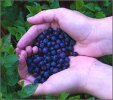
There are over 600 varieties of berries out there, and they can be used in everything from salads to breakfast shakes to desserts. Because strawberries don't ripen any further once they're picked, be sure to choose shiny berries with a deep red color and use them within a few days.

4. Bilberry
Similar to the blueberry, bilberries are often referred to as European blueberries. They're rich in antioxidants and are widely known as a potent protector of the eyes and have been linked to improvements in night vision, cataracts, macular degeneration and vision overall.
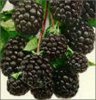
Interestingly, the eye-protective benefits of bilberries were first noticed during World War II when British Royal Air Force (RAF) pilots discovered that they had better night vision on bombing raids when they ate bilberry preserves beforehand.
The bilberry also contains compounds that enhance blood flow to circulatory vessels, which means it may be beneficial for circulatory problems including varicose veins, hemorrhoids and more.
Bilberries taste just like blueberries, but they're about three times smaller in size.

5. Blackberry
Blackberries contain antioxidants, vitamins C and E, and ellagic acid, all of which may protect against cancer and fight chronic disease. They're also rich in the soluble fiber pectin, which may help lower cholesterol, and potassium.

Wild blackberries are actually related to the rose, and, like a rose, they grow on a thorny bush. Because they're highly perishable (like all berries), blackberries should, ideally, be used the same day they're bought and washed just prior to eating. You can also freeze them by placing them in a single layer on a cookie sheet and then, once frozen, transferring them to an airtight container. They'll keep for about six months.

6. Elderberry
In 400 B.C., Hippocrates referred to the elder tree as his "medicine chest," and it's been used since ancient times to treat colds, flus, arthritis, constipation and more. Today, the elderberry is still in popular demand when it comes to health, especially in Austria, Germany and England.

Elderberries contain plenty of antioxidants, anti-viral compounds, anthocyanins that help enhance immune function, and compounds that help lower LDL (bad) cholesterol.
The berries are small and round and range in color from dark purple to bluish-black. Elderberries should not be eaten raw, as they're mildly poisonous and can cause nausea or vomiting if eaten unripe (and they're quite sour). The mild toxicity is destroyed by cooking, though, so the berries are typically used to make jams, jellies and homemade wine. They can also be used in place of blueberries in things like muffins, cakes and pies.

7. Goji Berries
It's said that a handful of goji berries in the morning will make you happy for the rest of the day. Traditionally, they're regarded as a potent food for longevity, strength and sexual virility and are grown in Tibet in protected valleys that contain million-year-old soil that's reportedly untouched by pollutants or pesticides.
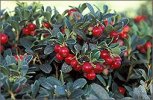
As tradition goes, the berries are never touched by human hands (this would cause them to oxidize and turn black), but instead are shaken onto mats and then dried or made into a liquid juice. There's even a legend that says Li Qing Yuen, who "lived to the age of 252 years" (1678-1930), ate Goji berries every day.
Modern day studies have also found some benefits to goji berries; they've been said to have potential in fighting cancer and protecting the liver. Goji berries contain 18 amino acids, 21 trace minerals, linoleic acid, more beta carotene than carrots, vitamins B1, B2, B6, and E, selenium and germanium.
Goji berries are deep red in color and about the same size as a raisin. They taste like a cranberry combined with a cherry, and are typically eaten dried or in juice form.

8. Lingonberries
These small, red, oval fruits (they're about the size of a large pea) are a popular treat in Finland and other Nordic countries where their tart flavor is enjoyed in sauces and jellies.

Lingonberries are rich in the flavonoid quercetin, which is a plant antioxidant that may help to prevent cancer and heart disease. Fresh lingonberries are not easy to find in the United States, but if you do find them, you can use them as you would a cranberry. They're often eaten crushed and mixed with sugar or cooked into sauces, jams, jellies, juice and wine.
If you haven't heard of the lingonberry, maybe you've heard of one of its numerous other names: cowberry, red whortle berry, foxberry, northern mountain cranberry, dry ground cranberry, rock cranberry, partridge berry or whimberry. Or maybe not.

9. Cranberries
One of the most popular uses of cranberries, to treat urinary tract infections, has been used for centuries by indigenous cultures. Today researchers have found that cranberries contain proanthocyanidins (PACs), which inhibit bacteria, including E. coli, from adhering to the urinary tract, thereby protecting it from infection.

They're also rich in antioxidants that may play a role in preventing heart disease and cancer, and may play a role in preventing peptic ulcers by inhibiting H. pylori from adhering to the stomach.
Because cranberries are so tart, they're not usually eaten raw but instead are baked into pies, muffins and cakes, used as a juice or cooked into the American holiday favorite, cranberry sauce.

10. Raspberry
Raspberries are rich in phytonutrients for antioxidant, antimicrobial and anticarcinogenic protection. Chief among these is ellagic acid, the potent cancer fighter. Raspberries have also been found to help prevent macular degeneration, and they contain manganese, vitamin C, riboflavin, folate, niacin, magnesium, potassium, dietary fiber and copper.
Raspberries have a long history--they can be traced all the way back to prehistoric times--but began to be grown widely in the 19th century, when many new varieties, including the loganberry and boysenberry, were developed. Raspberries have a sweet, tangy taste that makes them a popular treat for snacks, desserts, salads, cereals, sauces, baking, jams, jellies and more.

11. Dewberry
Dewberries are closely related to raspberries and blackberries, with the same sweet taste, but are slightly smaller and typically purple in color. It is likely that they present similar health benefits to raspberries and blackberries.

12. Mulberry
Traditionally, mulberry fruit has been used medicinally to treat the kidneys, fatigue, anemia and weakness. Although not widely studied, it's thought that mulberries contain high levels of antioxidants and similar health benefits as other dark-colored berries like blueberries, blackberries and raspberries.

The mulberry has a sweet, somewhat bland flavor, and is commonly used in jelly, wine and desserts. In its dry form, the mulberry can be used as a raisin substitute.

13. Gooseberry
These fruits grow wild throughout the United States, but they're typically cultivated in more tropical locations like Hawaii and South Africa. They can range in color from white to green to pink or purple, and they're typically about 1/2 to 1 inch wide (though some varieties can grow as big as plums!).

Gooseberries have a sweet/sour taste somewhere between a strawberry and a pineapple. Though not too common in the United States these days, they taste great in pies, jams, jellies and cooked sauces, or eaten fresh, if you can find them. If you're looking for a sweeter berry, choose a gooseberry with a pinkish hue. The green berries are unripe and work best for sauces and pies.
Gooseberries have similar nutritional qualities as strawberries, cranberries and other berries.

14. Huckleberry
Huckleberries look just like blueberries (and are often confused with them) and taste like them too (but a bit more tart), but contain seeds that give them a unique crunchy texture. The seeds are edible, so they can be used interchangeably with blueberries, but, since they're not grown commercially, you'll have to find them in the wild.
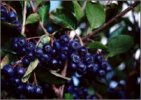
Huckleberries have not been studied extensively, but may have similar health benefits as blueberries.

15. Chokeberry
Purple berries like chokeberries may possess as much as 50 percent more antioxidants than more common berries, according to the U.S. Department of Agriculture.
However, the raw berries are extremely tart (hence the name "chokeberry"), so they're best when cooked and made into juice, jam or wine.


  • Fights harmful free radicals


  • Helps the body maintain its optimal pH range


  • Formulated with the Poten-Zyme™ process to ensure increased bio-availability and nutrient absorption


  • Great-tasting, 100% natural blend of powerful antioxidant food concentrates


  • Rich in antioxidant and immune-enhancing ingredient