


On a hot summer day, there’s just something about fruity,
ice-cold smoothie that makes them impossible to resist. The great thing about
smoothies is that you can pretty much modify them to fit whatever craving you
have and whatever health needs you’re trying to satisfy! Here are 4 easy and
delicious recipes for your perfect summertime beverage!
1. Orange Smoothie- A low-calorie, healthy smoothie that
tastes just like a creamsicle. It’s a perfect post-workout thirst quencher or
mid-afternoon snack.

Ingredients
·
1 navel orange, peeled
·
¼ cup fat-free half-and-half or fat-free yogurt
·
2 tablespoons frozen orange juice concentrate
·
¼ teaspoon vanilla extract
·
4 ice cubes
Directions
1. In a blender, combine the orange, half-and-half or
yogurt, orange juice concentrate, vanilla, and ice cubes. Process until smooth.
2. Green Tea, Blueberry, and Banana Smoothie-
Antioxidant-rich green tea makes this smoothie a nutritional powerhouse.

Ingredients
·
3 tbsp water
·
1 green tea bag
·
2 tsp honey
·
1 ½ C frozen blueberries
·
½ med banana
·
¾ C calcium fortified light vanilla soy milk
Directions
1. In a small glass measuring cup or bowl, microwave water
on high until steaming hot. Add tea bag and allow to brew 3 minutes. Remove tea
bag. Stir honey into tea until it dissolves.
2. In blender with ice crushing ability, combine berries,
banana, and milk.
3. Add tea to blender. Blend ingredients on ice crush or
highest setting until smooth. Pour smoothie into tall glass and serve.

Ingredients
·
1 cup plain nonfat yogurt
·
1 banana
·
½ cup orange juice
·
6 frozen strawberries
Directions
1. In a blender, combine the yogurt, banana, juice, and
strawberries for 20 seconds. Scrape down the sides and blend for an additional
15 seconds.
4. Strawberry-Kiwi Smoothie- Stay full and fight disease!
This high-fiber drink becomes even healthier when you use organic kiwis, which
contain higher levels of heart-healthy polyphenols and vitamin C.

Ingredients
·
1 ¼ cups cold apple juice
·
1 ripe banana, sliced
·
1 kiwifruit, sliced
·
5 frozen strawberries
·
1 ½ teaspoons honey
Directions
1. In a blender, combine the juice, banana, kiwifruit,
strawberries, and honey. Blend until smooth


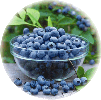 The blueberry is quite possibly the healthiest fruit there is--it ranked number one in antioxidant capacity by researchers at the USDA Human Nutrition Center when compared to 40 other fresh fruits and vegetables.
  As if their sweet taste wasn't enough of a reason to eat them, cherries are rich in queritrin (a flavonoid that's a potent anti-cancer agent), anthocyanins and bioflavonoids (compounds that fight the pain from arthritis, gout and migraines), ellagic acid (another potent anti-cancer agent) and melatonin (which may help you sleep). They also contain the soluble fiber pectin, vitamin C, beta-carotene and potassium.
  Like other berries, strawberries contain phytonutrients called phenols that make it a heart-protective, anti-cancer and anti-inflammatory fruit. Strawberries also help protect the brain from oxidative stress and age-related decline and fight macular degeneration of the eyes. They're an excellent source of vitamins C and K, manganese, fiber and iodine, and they contain potassium, folate, riboflavin, vitamin B5, omega-3 fatty acids, vitamin B6, magnesium and copper.
 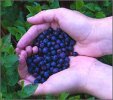 Similar to the blueberry, bilberries are often referred to as European blueberries. They're rich in antioxidants and are widely known as a potent protector of the eyes and have been linked to improvements in night vision, cataracts, macular degeneration and vision overall.
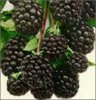 Blackberries contain antioxidants, vitamins C and E, and ellagic acid, all of which may protect against cancer and fight chronic disease. They're also rich in the soluble fiber pectin, which may help lower cholesterol, and potassium.
  In 400 B.C., Hippocrates referred to the elder tree as his "medicine chest," and it's been used since ancient times to treat colds, flus, arthritis, constipation and more. Today, the elderberry is still in popular demand when it comes to health, especially in Austria, Germany and England.
  It's said that a handful of goji berries in the morning will make you happy for the rest of the day. Traditionally, they're regarded as a potent food for longevity, strength and sexual virility and are grown in Tibet in protected valleys that contain million-year-old soil that's reportedly untouched by pollutants or pesticides.
 These small, red, oval fruits (they're about the size of a large pea) are a popular treat in Finland and other Nordic countries where their tart flavor is enjoyed in sauces and jellies.
  One of the most popular uses of cranberries, to treat urinary tract infections, has been used for centuries by indigenous cultures. Today researchers have found that cranberries contain proanthocyanidins (PACs), which inhibit bacteria, including E. coli, from adhering to the urinary tract, thereby protecting it from infection.
 Raspberries are rich in phytonutrients for antioxidant, antimicrobial and anticarcinogenic protection. Chief among these is
  Dewberries are closely related to raspberries and blackberries, with the same sweet taste, but are slightly smaller and typically purple in color. It is likely that they present similar health benefits to raspberries and blackberries.
  Traditionally, mulberry fruit has been used medicinally to treat the kidneys, fatigue, anemia and weakness. Although not widely studied, it's thought that mulberries contain high levels of antioxidants and similar health benefits as other dark-colored berries like blueberries, blackberries and raspberries.
 These fruits grow wild throughout the United States, but they're typically cultivated in more tropical locations like Hawaii and South Africa. They can range in color from white to green to pink or purple, and they're typically about 1/2 to 1 inch wide (though some varieties can grow as big as plums!).
 Huckleberries look just like blueberries (and are often confused with them) and taste like them too (but a bit more tart), but contain seeds that give them a unique crunchy texture. The seeds are edible, so they can be used interchangeably with blueberries, but, since they're not grown commercially, you'll have to find them in the wild.
 Purple berries like chokeberries may possess as much as 50 percent more antioxidants than more common berries, according to the U.S. Department of Agriculture.