Welcome To Pampering4life Lifestyle

Thank you for following me and learning more on how you can live your "Best Life" each and everyday just by doing exciting things to awaken and pamper what is most important in your life. Pampering4life is a lifestyle of pampering all aspect of one's life. It is the ultimate indulgence of pampering your mind, body, and freedom. Please make sure to take time for yourself at least 10 minutes a day. Relax and feel your desire to live the life God has given you after all "Pampering4life" is a celebration of you....

About Me

My photo
New Jersey, United States
Just some information about me. I'm a wife, board certified integrative health counselor, and amateur ballroom dancer. I enjoy life by living each day like it is my last. One of my favorite hobbies is to travel, travel, travel, and to learn different cultures of all kinds. After a recent lay off..I realized my passion and purpose in life is to inspire people by showing them how to enjoy their life and to pamper all aspects of it. This includes your health, your wealth, and most important your mind by making the connection to what living is really about. Pampering4life is about making small changes and reaping BIG RESULTS! I look forward to opening up a new world for you so you to can live your BEST LIFE
Showing posts with label healthy living. Show all posts

Wednesday, April 15, 2015

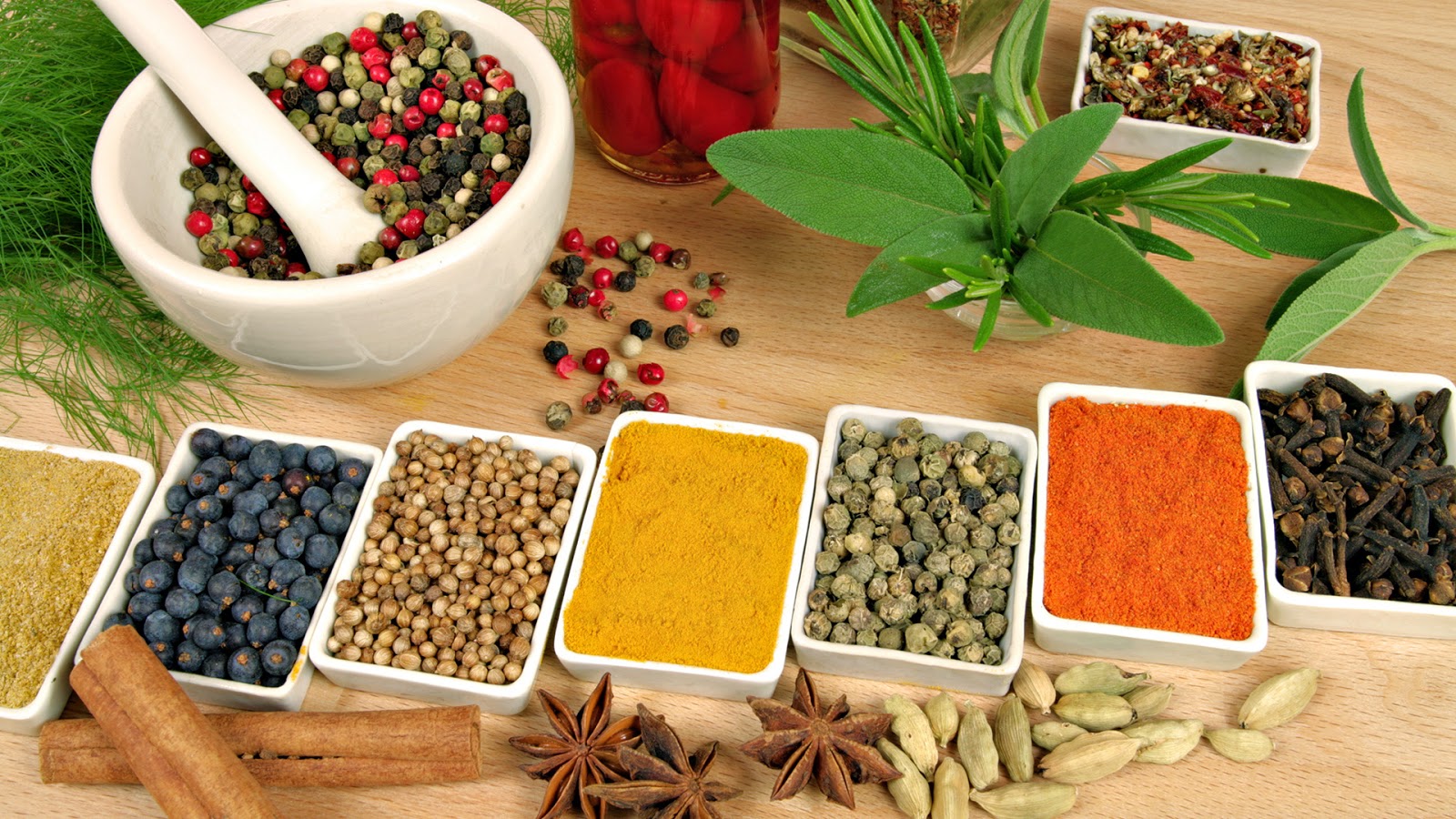
Spice your way to better health


A dash of rosemary. A hint of mint. A sprig of basil. Common herbs and spices used to make foods taste good might also be good for you.

Although most people use herbs and spices, many are unaware that these plant foods are also powerful sources of antioxidants that may have disease fighting capabilities, according to the results of a recent national survey conducted by an independent polling organization and sponsored by Gourmet Garden.

“While we’ve known for a long time that fruits and vegetables and other plant foods are high in antioxidants, herbs and spices have been overlooked as a potentially powerful source of antioxidants, vitamins and minerals,” said Dr. David Heber, Director, UCLA Center for Human Nutrition.

New research that studied the antioxidant concentration in more than 1,000 foods and beverages commonly consumed in the US shows that herbs and spices are actually higher in antioxidants capacity compared to many fruits and vegetables on an ounce-per-ounce basis. The study, by a collaboration of Norwegian and US scientists, reported that cloves have the highest antioxidant content follower by oregano, ginger, cinnamon and turmeric.

“Emerging research suggest that herbs and spices may aid in the prevention of cardiovascular disease and cancer, and the high levels of antioxidants an phytonutrients found in herbs and spices may boost the antioxidant properties of other healthy foods as well,” said Dr. Heber. In fact, one study found that adding herbs and spices increase the antioxidant capacity of the meal by 200%

CINNAMON: helps soothe mild gastrointestinal conditions such as bloating

GARLIC: may reduce the risk of heart disease by decreasing blood cholesterol, preventing clogged arteries, and lowering blood pressure; it also may reduce cancer risk.

GINGER: quells nausea and vomiting caused by motion sickness or digestive problems.


FENNEL SEED: offers relief from gas, mild GI cramping and just feeling stuffed-thus the seeds offered at the end of Indian meals. 

Monday, April 7, 2014

How to Avoid Exposure to Pesticides


        Pesticides are chemicals used to avoid any damage by pests and therefore help to increase the production of food worldwide. Nowadays, pesticides are being used more than ever before. However, the use of pesticides can have cause many health risks. If you consume a large amount of pesticides it can cause problems for the reproductive and neurological system, and cause developmental problems. They can also prevent your hormones from performing properly since they are known as endocrine disrupters. It is important to follow these steps to avoid your consumption to these dangerous chemicals.
           
Firstly, the most simple way to reduce exposure to pesticides is to buy organic produce since organic famers do not use harmful pesticides on their produce. Organic produce tends to be pricey so try to buy the organic produce items that you or your family eats the most. Also, to identify fruit grown organically, look at the little sticker on the produce and the number should be five digits and start with 9 (e.g. 94223). When you buy organic products you are greatly minimizing your exposure to pesticides.
           
Furthermore, you should always wash your fruits and vegetables for a fair amount of time! In addition, homemade and commercial produce cleaners are much more effective at removing any pesticides. To make your own produce cleaner you can mix together together a cup of water, a cup of white vinegar, and a tablespoon of baking soda and the juice of half a lemon. After all these ingredients are mixed together you can add them to a spray bottle. Then use your spray bottle to spray your fruits and veggies and let it sit for a couple of minutes and make sure to wash off the mixture after. 
           
Secondly, make a no shoes policy in your home. When you walk across the grass that has fertilizers and herbicides, the residue from these strong chemicals can get attached to your shoes and invade your home. Sometimes, the residues can even stay on carpets for years. This is a simple step to avoid bringing pesticides into your home.
           
In addition, even though the skin of many produce items are good for you it is best to peel your produce. Most pesticides are found in the skin and by simply removing it it will help minimize your exposure. It will not get rid of all pesticides but it can decrease a large amount that you are consuming.
           
Thirdly, avoid processed foods especially corn and soy products which are very high on pesticides.  It is a beneficial to avoid eating processed foods anyways because they are filled with unnatural fibers and vitamins that your body does not absorb.

      Its important that people are aware of the detrimental effects of pesticides. It can also affect everyone differently. Children tend to be more sensitive to pesticides. Childrens bodies are also developing so they may not be able to break down the chemicals as effectively as adults do. People who suffer from asthma and chronic diseases may also feel sick after being exposed to pesticides. Even people who live near agricultural fields are also in danger of being exposed to these dangerous chemicals. Following all these steps will help reduce the amount of exposure by a large amountWhat are some things that you do to decrease the amount of pesticides you consume?

Monday, March 31, 2014

Simple Ways to get Beautiful Hair and Skin all year round

           
For many people, the winter can cause harmful effects for our skin such as extremely dry skin, and even eczema begins to appear. Even after the winter you may still feel the effects of cracked, flaky, irritated and inflamed skin. Hair also becomes extremely dried out so its important to take action. Try these boosting tips to help keep your skin and hair moist and healthy.
           
Firstly, if drugstore products are not helping or even making your skin worse. You should consider seeking a specialist such as a dermatologist or esthetician. When you see a specialist she can figure out what skin type you have, and give you advice on what skin care you should be using.
           
Secondly, its important to moisturize everyday. Your moisturizer should be oil based rather than water based because the oil creates a protective layer that retains more moisture. You should always remember that not all lotions will work on your face. You may want to think twice about using a body lotion for your face because it can make you break out. Always looking for moisturizers that are hypoallergenic and non-clogging. Also, you should be using your sunscreen all year round. Winter sun can be damaging for your skin too. You should apply sunscreen to your skin 30 minutes before you go outside and keep reapplying if you are going to stay outside.
   
Furthermore, if your skin feels very dry you should avoid using harsh peels, masks, and alcohol-based toners or astringents. All of this can strip necessary oil from your skin. Also, showering for too long in steaming hot water can also dry out your skin. You should stick to taking a 10-minute or less shower with lukewarm water.
           
Thirdly, what you eat is vital for your skin. The next time you take a trip to the grocery store, you should fill up a cart with foods that are filled with mono saturated fats and omega-3 fatty acids, such as fish, nuts, olive oil, flax or avocados. Vitamin C is also important for the bodys production of collagen so you should consider picking up citrus fruits or dark leafy greens.
           
In addition, hair can become extremely damaged during the winter. Shampooing strips vital oils from the scale, so its recommended to wash your hair every other day. To prevent further damage or breakage, avoid blow drying or brushing hair when its wet. When your hair is wet its extremely delicate and you will have to use a lot of heat in order to dry it. If your hair feels extremely dry you should consider using argan oil as well.
           
Lastly, stress can make skin more sensitive and can cause acne breakouts. Its important to manage your stress by setting reasonable goals, and taking time to do the thins you enjoy.
           
Overall, following these tips can help keep your skin beautiful and glowing all year round.  As well as healthy and bouncy hair so that you do  not have to get as many haircuts throughout the year.

Monday, February 17, 2014

How to Defeat the Winter Blues


After all the festive holidays, the winter consists of many snow storms, harsh-cold days, and shorter days ending at 5pm. These tips are helpful ways to take care of yourself and take advantage of the winter while avoiding the likelihood of having Seasonal Affective Disorder, known as SAD and Seasonal Depression.

1. Enjoy the Sun
One of the best ways to prevent the winter blues is to take a stroll outside while it is sunny outside. The sun provides Vitamin D which is both good for your physical and mental health. Try to to find some time out of your day to take a breath of fresh air while taking a break from the stuffy indoors.

2. Don’t skip out on your exercise routine
Another great reason to continue your exercise routine in the winter is to lessen your chances from suffering from seasonal affective disorder (SAD). SAD may be caused by lack of sun, activity and proper nutrition.  When you exercise your body releases needed endorphins to keep your winter blues at a minimum. In addition, during the months of December, January and February women exercise ten percent less than in the summer time. Make an effort to go to the gym or try your favorite exercise video at home.

3. Take advantage of the winter
Instead of mopping around about the cold weather, take advantage of the winter! Enjoy many fun activities such as snowboarding, ice-skating, sledding, or hockey. These sports are only available three months of the year so enjoy these opportunities while you can.  You can also get creative and try do-it-yourself crafts which you can find at your local craft store. During the winter,  try that new cooking recipe and spend valuable time with your friends and family by putting together scrapbooks.

4. Keep a healthy diet
It is crucial to keep a healthy because what you eat can affect your mood and energy. Try foods that include Omega-3 fatty acids. Studies show that omega-3 fatty acids may have healing benefits in children that are depressed. Many foods that include Omega-3 Fatty acids are salmon, tuna, flax seeds, soy beans, halibut and more. You can also take supplements as well for Omega-3 fatty acids. Eating a carbohydrate-rich meal may increase levels of serotonin. Serotonin is one of the chemicals in our body that is responsible for putting you in a better mood Try to avoid refined and processed foods such as rice, white breads, and pure sugar since these foods take away nutrients that your body wants and can deprive energy levels leading to lack of concentration and moods swings throughout the day.

5. Try Chamomile before bed
Chamomile can help reduce anxiety and relieve the winter blues. I enjoy drinking Chamomile tea before bed due to its calming effect. It is also caffeine free and tastes very smooth. It is the best way to de-stress after a long day.

6. Work on your resolutions
With the busy months aheads of us we may have forgotten about the resolutions that we spent hours coming up with. Think back to your resolutions and achieve those goals. Personally, being able to cross out goals from my list makes me feel happy and accomplished.


This winter try and beat those winter blues! Put down your agendas and take time to take care of yourself because YOU are the most important person in your life.

Tuesday, October 1, 2013

Pampering4life Healthy Cooking: Homemade Lentil Soup


Ingredients

1 onion, chopped

¼ cup olive oil

2 carrots, diced

2 stalks celery, chopped

2 cloves garlic, minced

1 teaspoon dried oregano

1 bay leaf

1 teaspoon dried basil

1 (14.5 ounce) can crushed tomatoes organic preferred

2 cups dry lentils

8 cups water

½ cup spinach, rinsed and thinly sliced

2 tablespoons vinegar

Sea salt to taste

Ground black pepper to taste


Directions
In a large soup pot, heat oil over medium heat. Add onions, carrots, and celery; cook and stir until onion is tender. Stir in garlic, bay leaf, oregano, and basil; cook for 2 minutes.
Stir in lentils, and add water and tomatoes. Bring to a boil. Reduce heat, and simmer for at least 1 hour. When ready to serve stir in spinach, and cook until it wilts. Stir in vinegar, and season to taste with salt and pepper, and more vinegar if desired.

Monday, August 19, 2013

Pampering4life Healthy Recipes: Labor Day Delight


Unfortunately summertime is coming to an end and soon we will be packing school lunches and fastening coats but before the end there is still one holiday celebration! That's right, Labor Day, now it may not be as big of a celebration as the fourth of July but this is still a great holiday to have an end of the summer party to celebrate with friends and family. Invite everyone over for just one last barbeque before the grills have to be covered up and just looked at as a summertime memory! However, with parties still comes the unfortunate temptation of all the delicious party foods. Well here is a recipe for a delicious Peach-Raspberry pie that will have everyone forgetting about the brownies that were set on the table. Enjoy!

INGREDIENTS

Crust

  • 1 1/4 cups whole-wheat pastry flour (see Ingredient Note)
  • 1 1/4 cups all-purpose flour
  • 2 tablespoons honey to substitute the sugar
  • 1/2 teaspoon salt
  • 4 tablespoons cold unsalted butter
  • 1/4 cup reduced-fat sour cream
  • 3 tablespoons canola oil
  • 4 tablespoons ice water
Filling

  • 6 cups organic sliced peeled peaches (6-8 medium, ripe but firm; see Tip)
  • 1 cup fresh organic or frozen raspberries
  • 2/3 cup honey
  • 1 tablespoon lemon juice
  • 3 tablespoons cornstarch
  • 1 large organic egg white, lightly beaten, for brushing

Preparation

  1. To  prepare crust: Whisk whole-wheat flour, all-purpose flour, 2 tablespoons honey and salt in a large bowl. Cut butter into small pieces and, with your fingers, quickly rub them into the dry ingredients until the pieces are smaller but still visible. Add sour cream and oil; toss with a fork to combine with the dry ingredients. Sprinkle water over the mixture. Toss with a fork until evenly moist. Knead the dough with your hands in the bowl a few times-the mixture will still be a little crumbly. Turn out onto a clean surface and knead a few more times, until the dough just holds together. Divide the dough in half and shape into 5-inch-wide disks. Wrap each in plastic and refrigerate for at least 1 hour.
  2. Meanwhile, prepare filling: Combine peaches, raspberries, 2/3 cup honey and lemon juice in a large bowl; toss well to coat. Let stand for 5 minutes. Transfer the fruit mixture to a colander set over a medium bowl and let drain for 30 minutes. Pour the collected juice into a small saucepan. Return the fruit to the large bowl. Bring the juice to a boil over high heat and cook, gently swirling the pan, until reduced, syrupy and slightly darkened in color, 3 to 4 minutes. Add the syrup to the fruit along with cornstarch; gently toss until the cornstarch is completely dissolved.
  3. To assemble & bake pie: Position a rack in the center of the oven and place a foil-lined baking sheet on the rack below; preheat to 375 F
  4. Remove the dough from the refrigerator; let stand for 5 minutes to warm slightly. Roll one portion between sheets of parchment or wax paper into a 12-inch circle. Peel off the top sheet and invert the dough into a 9-inch pie pan. Peel off the remaining paper. Trim the crust with kitchen shears or a butter knife so it overhangs the edge of the pan by 1 inch. Scrape the filling into the crust. Roll the remaining portion of dough between sheets of parchment or wax paper into another 12-inch circle. Peel off the top sheet of paper and invert the dough onto the fruit. Trim the top crust so it overhangs evenly. Tuck the top crust under the bottom crust, sealing the two together and making a plump edge. Flute the edge with you fingers. Brush the top and edge with egg white and sprinkle with the remaining 1 teaspoon honey. Cut 6 steam vents in the top crust.
  5. Bake the pie on the center rack until the crust is golden brown and the fruit is bubbling, 50 to 60 minutes. Let cool on a wire rack for at least 1 1/2 hours.

Monday, May 20, 2013

4 Sensational Summer Smoothies!


On a hot summer day, there’s just something about fruity, ice-cold smoothie that makes them impossible to resist. The great thing about smoothies is that you can pretty much modify them to fit whatever craving you have and whatever health needs you’re trying to satisfy! Here are 4 easy and delicious recipes for your perfect summertime beverage!


1. Orange Smoothie- A low-calorie, healthy smoothie that tastes just like a creamsicle. It’s a perfect post-workout thirst quencher or mid-afternoon snack.


Ingredients
·         1 navel orange, peeled
·         ¼ cup fat-free half-and-half or fat-free yogurt
·         2 tablespoons frozen orange juice concentrate
·         ¼ teaspoon vanilla extract
·         4 ice cubes
 
Directions
1. In a blender, combine the orange, half-and-half or yogurt, orange juice concentrate, vanilla, and ice cubes. Process until smooth.


2. Green Tea, Blueberry, and Banana Smoothie- Antioxidant-rich green tea makes this smoothie a nutritional powerhouse.
Ingredients
·         3 tbsp water
·         1 green tea bag
·         2 tsp honey
·         1 ½ C frozen blueberries
·         ½ med banana
·         ¾ C calcium fortified light vanilla soy milk
 
Directions
1. In a small glass measuring cup or bowl, microwave water on high until steaming hot. Add tea bag and allow to brew 3 minutes. Remove tea bag. Stir honey into tea until it dissolves.
2. In blender with ice crushing ability, combine berries, banana, and milk.
3. Add tea to blender. Blend ingredients on ice crush or highest setting until smooth. Pour smoothie into tall glass and serve.


3.  Strawberry- Banana Smoothie- Strawberries and banana make the ultimate smoothie blend. Enjoy it in supplement to a light breakfast or as an energizing snack. Get your protein on the go!
Ingredients
·         1 cup plain nonfat yogurt
·         1 banana
·         ½ cup orange juice
·         6 frozen strawberries
 
Directions
1. In a blender, combine the yogurt, banana, juice, and strawberries for 20 seconds. Scrape down the sides and blend for an additional 15 seconds.
 
 
4. Strawberry-Kiwi Smoothie- Stay full and fight disease! This high-fiber drink becomes even healthier when you use organic kiwis, which contain higher levels of heart-healthy polyphenols and vitamin C.
 
 
Ingredients
·         1 ¼ cups cold apple juice
·         1 ripe banana, sliced
·         1 kiwifruit, sliced
·         5 frozen strawberries
·         1 ½ teaspoons honey
 
Directions
1. In a blender, combine the juice, banana, kiwifruit, strawberries, and honey. Blend until smooth


Monday, April 9, 2012

Pampering4life Healthy Mind Series: Empathy

Empathy is the ability to understand others to the point that you can experience their emotions and internal drives. Most of us are good at being empathetic with those we love, but increasing your empathy beyond your social group takes practice.      
Understand your own emotions. To increase your empathy, you need to start with yourself. Pay close attention to your emotional state, noting what situations change your emotions, what gives rise to positive emotions and negative emotions. Use this material as a point from which to understand others' emotional responses.

Interact with a wide range of people. Get to know people of all ages, ethnicities, sexual orientations, socio-economic backgrounds and levels of physical ability. The more types of people you get to know, the more experiences you will have to draw on as you try to increase your empathy.

Seek out similarities between you and others. When we stress difference between ourselves and other people, it's much more difficult to understand others. Especially seek out the similarities between you and people you do not like or who you disagree with. For even greater empathy, seek out the similarities between you and other species.

Practice taking on another's perspective. Train your mind to be open to perspectives other than your own and evolve to actually immersing yourself in a different perspective. For example, if you are pro-life, take on a pro-choice stance to better understand the other side. You can do this on a personal level as well and it doesn't have to just involve moral and political ideas.

Examine the lives and work of famous empathetic people. It's easier to become more empathetic when you have good role models. Choose people deeply involved in a social cause you respect and read biographies to better understand how they used their empathy.

Read good fiction. Recent studies have shown a connection between reading fiction and gaining empathy. Fiction generally contains accounts of individuals' difficulties and being exposed to emotionally evocative material can help you better understand people's internal states.
Foster empathy in your children  and in those around you. Respond to children you are close to in a non-authoritarian way, reasoning with them about the effects their behavior can have on others. Let children know that it's in their nature to be good, sharing members of a community.

Monday, March 26, 2012

Healthy You Healthy Heart

Although you might know eating certain foods can increase your heart disease risk, it's often tough to change your eating habits. Whether you have years of unhealthy eating under your belt or you simply want to fine-tune your diet, here are eight heart-healthy diet tips. Once you know which foods to eat more of and which foods to limit, you'll be on your way toward a heart-healthy diet. As women it is so important to include a healthy lifestyle as heart disease is the number one killer among women.

1. Limit unhealthy fats and cholesterol

Of the possible changes, limiting how much saturated and trans fats you eat is the most important step you can take to reduce your blood cholesterol and lower your risk of coronary artery disease. A high blood cholesterol level can lead to a buildup of plaques in your arteries, called atherosclerosis, which can increase your risk of heart attack and stroke.
The American Heart Association offers these guidelines for how much fat and cholesterol to include in a heart-healthy diet:
Type of fat Recommendation
Saturated fat Less than 7 percent of your total daily calories
Trans fat Less than 1 percent of your total daily calories
Cholesterol Less than 300 milligrams a day for healthy adults; less than 200 milligrams a day for adults with high levels of low-density lipoprotein (LDL), or "bad," cholesterol or those who are taking cholesterol-lowering medication
The best way to reduce saturated and trans fats in your diet is to limit the amount of solid fats — butter, margarine and shortening — you add to food when cooking and serving. You can also reduce the amount of saturated fat in your diet by trimming fat off your meat or choosing lean meats with less than 10 percent fat.
You can also use low-fat substitutions when possible for a heart-healthy diet. For example, top your baked potato with salsa or low-fat yogurt rather than butter, or use low-sugar fruit spread on your toast instead of margarine.
You may also want to check the food labels of some cookies, crackers and chips. Many of these snacks — even those labeled "reduced fat" — may be made with oils containing trans fats. One clue that a food has some trans fat in it is the phrase "partially hydrogenated" in the ingredient list.
When you do use fats, choose monounsaturated fats, such as olive oil or canola oil. Polyunsaturated fats, found in nuts and seeds, also are good choices for a heart-healthy diet. When used in place of saturated fat, monounsaturated and polyunsaturated fats may help lower your total blood cholesterol. But moderation is essential. All types of fat are high in calories.
Fats to choose Fats to limit
  • Olive oil
  • Canola oil
  • Margarine that's free of trans fats
  • Cholesterol-lowering margarine, such as Benecol, Promise activ or Smart Balance
  • Butter
  • Lard
  • Bacon fat
  • Gravy
  • Cream sauce
  • Nondairy creamers
  • Hydrogenated margarine and shortening
  • Cocoa butter, found in chocolate
  • Coconut, palm, cottonseed and palm-kernel oils

2. Choose low-fat protein sources

Lean meat, poultry and fish, low-fat dairy products, and egg whites or egg substitutes are some of your best sources of protein. But be careful to choose lower fat options, such as skim milk rather than whole milk and skinless chicken breasts rather than fried chicken patties.
Fish is another good alternative to high-fat meats. And certain types of fish are heart healthy because they're rich in omega-3 fatty acids, which can lower blood fats called triglycerides. You'll find the highest amounts of omega-3 fatty acids in cold-water fish, such as salmon, mackerel and herring. Other sources are flaxseed, walnuts, soybeans and canola oil.
Legumes — beans, peas and lentils — also are good sources of protein and contain less fat and no cholesterol, making them good substitutes for meat. Substituting soy protein for animal protein — for example, a soy burger for a hamburger — will reduce your fat and cholesterol intake.

3. Eat more vegetables and fruits

Vegetables and fruits are good sources of vitamins and minerals; they are low in calories and rich in dietary fiber. Vegetables and fruits also contain substances found in plants that may help prevent cardiovascular disease. Eating more fruits and vegetables may help you eat less high-fat foods, such as meat, cheese and snack foods.
Featuring vegetables and fruits in your diet can be easy. Keep vegetables washed and cut in your refrigerator for quick snacks. Keep fruit in a bowl in your kitchen so that you'll remember to eat it. Choose recipes that have vegetables or fruits as the main ingredient, such as vegetable stir-fry or fresh fruit mixed into salads.
Fruits and vegetables to choose Fruits and vegetables to avoid
  • Fresh or frozen vegetables and fruits
  • Low-sodium canned vegetables
  • Canned fruit packed in juice or water
  • Coconut
  • Vegetables with creamy sauces
  • Fried or breaded vegetables
  • Canned fruit packed in heavy syrup
  • Frozen fruit with sugar added

4. Select whole grains

Whole grains are good sources of fiber and other nutrients that play a role in regulating blood pressure and heart health. You can increase the amount of whole grains in a heart-healthy diet by making simple substitutions for refined grain products.
Another easy way to add whole grains to your diet is ground flaxseed. Flaxseeds are small brown seeds that are high in fiber and omega-3 fatty acids, which can lower your total blood cholesterol. You can grind the seeds in a coffee grinder or food processor and stir a teaspoon of them into yogurt, applesauce or hot cereal.

5. Reduce the sodium in your food

Eating a lot of sodium can contribute to high blood pressure, a risk factor for cardiovascular disease. Reducing sodium is an important part of a heart-healthy diet. The U.S. Department of Agriculture recommends:
  • People age 51 or older, African-Americans, and people who have been diagnosed with high blood pressure, diabetes or chronic kidney disease have no more than 1,500 mg of sodium a day
Although reducing the amount of salt you add to food at the table or while cooking is a good first step, much of the salt you eat comes from canned or processed foods, such as soups and frozen dinners. Eating fresh foods and making your own soups and stews can reduce the amount of salt you eat. If you like the convenience of canned soups and prepared meals, look for ones with reduced sodium.
Another way to reduce the amount of salt you eat is to choose your condiments carefully. Many condiments are available in reduced-sodium versions, and salt substitutes can add flavor to your food with less sodium.
Low-salt items to choose High-salt items to avoid
  • Herbs and spices
  • Salt substitutes
  • Reduced-salt canned soups or prepared meals
  • Reduced-salt versions of condiments, such as reduced-salt soy sauce and reduced-salt ketchup
  • Table salt
  • Canned soups and prepared foods, such as frozen dinners
  • Tomato juice
  • Soy sauce

6. Control your portion size

In addition to knowing which foods to eat, you'll also need to know how much you should eat. Overloading your plate, taking seconds and eating until you feel stuffed can lead to eating more calories, fat and cholesterol than you should. Portions served in restaurants are often more than anyone needs. Keep track of the number of servings you eat — and use proper serving sizes — to help control your portions.
A serving size is a specific amount of food, defined by common measurements such as cups, ounces or pieces. For example, one serving of pasta is 1/2 cup, or about the size of a hockey puck. A serving of meat, fish or chicken is 2 to 3 ounces, or about the size and thickness of a deck of cards. Judging serving size is a learned skill. You may need to use measuring cups and spoons or a scale until you're comfortable with your judgment.

7. Plan ahead: Create daily menus

You know what foods to feature in your heart-healthy diet and which ones to limit. Now it's time to put your plans into action.
Create daily menus using the six strategies listed above. When selecting foods for each meal and snack, emphasize vegetables, fruits and whole grains. Choose lean protein sources and limit high-fat and salty foods. Watch your portion sizes and add variety to your menu choices. For example, if you have grilled salmon one evening, try a black bean burger the next night. This helps ensure that you'll get all of the nutrients your body needs. Variety also makes your meals and snacks more interesting.

8. Allow yourself an occasional treat

Allow yourself an indulgence every now and then. A candy bar or handful of potato chips won't derail your heart-healthy diet. But don't let it turn into an excuse for giving up on your healthy-eating plan. If overindulgence is the exception, rather than the rule, you'll balance things out over the long term. What's important is that you eat healthy foods most of the time.
Incorporate these eight tips into your life, and you'll continue to find that heart-healthy eating is both doable and enjoyable. With planning and a few simple substitutions, you can eat with your heart in mind.

Monday, December 19, 2011

De-Stress Your Holiday With Yoga

Yoga has been practiced for more than 5,000 years, and currently, close to 11 million Americans are enjoying its health benefits. Yoga can hardly be called a trend.
Most Westernized yoga classes focus on learning physical poses, which are called asanas. They also usually include some form of breathing technique and possibly a meditation technique as well. Some yoga classes are designed purely for relaxation. But there are styles of yoga that teach you how to move your body in new ways. Choosing one of these styles offers the greatest health benefits by enabling you to develop your flexibility, strength, and balance. If the holiday time is keeping you stress learn how to do yoga. It is great for your mind and your health. Learn about some of the benefits of yoga below.


Physiological Benefits of Yoga

  • Stable autonomic nervous system equilibrium
  • Pulse rate decreases
  • Respiratory rate decreases
  • Blood Pressure decreases (of special significance for hyporeactors)
  • Galvanic Skin Response (GSR) increases
  • EEG - alpha waves increase (theta, delta, and beta waves also increase during various stages of meditation)
  • EMG activity decreases
  • Cardiovascular efficiency increases
  • Respiratory efficiency increases
  • Gastrointestinal function normalizes
  • Endocrine function normalizes
  • Excretory functions improve
  • Musculoskeletal flexibility and joint range of motion increase
  • Breath-holding time increases
  • Joint range of motion increase
  • Grip strength increases
  • Eye-hand coordination improves
  • Dexterity skills improve
  • Reaction time improves
  • Posture improves
  • Strength and resiliency increase
  • Endurance increases
  • Energy level increases
  • Weight normalizes
  • Sleep improves
  • Immunity increases
  • Pain decreases
  • Steadiness improves
  • Depth perception improves
  • Balance improves
  • Integrated functioning of body parts improves

Psychological Benefits of Yoga

  • Somatic and kinesthetic awareness increase
  • Mood improves and subjective well-being increases
  • Self-acceptance and self-actualization increase
  • Social adjustment increases
  • Anxiety and Depression decrease
  • Hostility decreases
  • Concentration improves
  • Memory improves
  • Attention improves
  • Learning efficiency improves
  • Mood improves
  • Self-actualization increase
  • Social skills increases
  • Well-being increases
  • Somatic and kinesthetic awareness increase
  • Self-acceptance increase
  • Attention improves
  • Concentration improves
  • Memory improves
  • Learning efficiency improves
  • Symbol coding improves
  • Depth perception improves
  • Flicker fusion frequency improves

Biochemical Benefits of Yoga

  • Glucose decreases
  • Sodium decreases
  • Total cholesterol decreases
  • Triglycerides decrease
  • HDL cholesterol increases
  • LDL cholesterol decreases
  • VLDL cholesterol decreases
  • Cholinesterase increases
  • Catecholamines decrease
  • ATPase increases
  • Hematocrit increases
  • Hemoglobin increases
  • Lymphocyte count increases
  • Total white blood cell count decreases
  • Thyroxin increases
  • Vitamin C increases
  • Total serum protein increases
  • Steadiness improves
  • Depth perception improves
  • Balance improves
  • Integrated functioning of body parts improves

Monday, December 5, 2011

How To Stay Mentally Healthy During Christmas

Staying Mentally Healthy During Christmas
For some of us, the approach of the holidays serves as a reminder of lost loved ones or financial difficulty. Hectic work schedules, domestic squabbles and children with unrealistic expectations may make you feel like a failure. In order to make the most of the holiday season, you have to remind yourself (and the people around you) that there is more to Christmas than commercialism and selfishness. As a matter of fact, Christmas is the season of selflessness and nostalgia. Instead of feeling indifferent or depressed this Christmas, reflect on happier times. Hold on to memories of loved ones--but do not let those memories prevent you from enjoying life.

Embrace Christmas. If you convince yourself that Christmas is terrible, you will feel anxious and depressed as it approaches each year. Do something that you would not normally do to get into the spirit of Christmas. If you feel alone this Christmas, send out Christmas cards to friends and co-workers. If they reciprocate, hang your Christmas cards proudly. Whenever you feel alone, look at your Christmas cards. Those small tokens should serve as a reminder that someone cared enough to remember you this Christmas.
Keep yourself occupied. Prevent your mind from wandering into dark places. If you're worried about finances and you can not afford gifts, use your time to create a personalized gift. Paint a picture or write a poem. Create a slide show of pictures and burn it on a DVD for your relatives. Create interesting Christmas ornaments for all of your friends.
Cry. If you feel the urge to cry, let it out. If you feel like talking to someone, call them. Do not let your tears prevent you from calling a supportive friend. You are not a burden. Friends are there to support one another.

Sing along with Christmas songs on the radio. If you feel like having company over, get into the spirit of Christmas with Christmas karaoke (see Resources below). If you don't know the words to the songs, make them up as you go along. Laughter is the best medicine for depression at Christmas.Reflect. If you've felt depressed before at Christmas time, strive to make this Christmas different. Focus on the positive things that make Christmas special. Consider how fortunate you are to be in a warm location, reading this article right now. Perform a selfless act for someone less fortunate than you are. Donate old clothing, extra blankets or unused toys to a family this Christmas. Turn your depression into constructive energy. Donate your time at a local shelter or hand out handmade Christmas cards at a nursing home--a place where many people feel depressed at Christmas. Not only will you reflect on the positive aspects of your own life, but you'll feel happy that you made a real difference to one person (or one family) this Christmas.

Monday, November 28, 2011

Healthy Benefits Of Dancing For Your Health

There are many forms of dance, from ballroom to barn and disco to morris. Dance has been a part of human culture, rituals and celebrations forever. Today, most dancing is about recreation and self-expression, although it can also be pursued as a competitive activity. Dancing is an enjoyable way to be more physically active and stay fit. I'm a big advocate of dancing especially ballroom dancing. It has changed my life to getting fit and healthier. It is also an excellent way to exercise and simply have fun. I usually recommend dancing to my nutrition client's who want to get healthy without being bored with regular exercise. So, get your dancing shoes on and start dancing for your health.


Health benefits to DANCING


Dancing can be a way to stay fit for people of all ages, shapes and sizes. It has a wide range of physical and mental benefits including:
  • Improved condition of the heart and lungs
  • Increased muscular strength, endurance and motor fitness
  • Increased aerobic fitness
  • Improved muscle tone and strength
  • Weight management
  • Stronger bones and reduced risk of osteoporosis
  • Better coordination, agility and flexibility
  • Improved balance and spatial awareness
  • Increased physical confidence
  • Improved mental functioning
  • Improved general and psychological wellbeing
  • Greater self-confidence and self-esteem
  • Better social skills.

Getting started


You can dance in a group, with a partner, or on your own. There a lots of different places where you can enjoy dancing, for example at dance schools, social venues, community halls and in your own home. Dancing has become such a popular way to be active and keep fit, that most fitness clubs now offer dance classes in their group exercise programs.

Dancing can be performed both competitively and socially. It can be a great recreational and sporting option, because anyone of any age can take part. It doesn’t matter whether it is cold or raining as dancing is usually done indoors.

The gear you require to dance will depend on the style of dancing you choose. For example, tap dancing will involve purchasing tap shoes, whereas ballet will require ballet slippers and ballet attire. To get started, simply choose a style you enjoy, or would like to try, and join a class.

Types of dance


There are numerous styles of dance to choose from, each with its own attractions. Some popular types of dancing styles include:
  • Ballet – mostly performed to classical music, this dance style focuses on strength, technique and flexibility.
  • Ballroom dancing –: this involves a number of partner dancing styles such as the waltz, swing, fox-trot, rumba and the tango.
  • Belly dancing – originating in the Middle East, this dance style is a fun way to exercise.
  • Hip hop – performed mostly to hip hop music, this urban dance style can involve breaking, popping, locking and free styling.
  • Jazz – a high energy dance style involving kicks, leaps and turns to the beat of the music.
  • Pole dancing – this style of dancing has become increasingly popular as a form of exercise. It involves sensual dancing with a vertical pole, and requires muscle endurance, co-ordination, and upper and lower body strength.
  • Salsa – involving a mixture of Caribbean, Latin American and African influences, salsa is usually a partner dance and emphasises rhythms and sensuality.
  • Square dancing – a type of folk dancing where four couples dance in a square pattern, moving around each other and changing partners
  • Tap dancing – focuses on timing and beats. The name originates from the tapping sounds made by the small metal plates on the dancer’s shoes touch the ground.

How to choose a dance style


When choosing a dance style, ask yourself:
  • Do I want to dance to improve my fitness?
  • Am I trying to improve my flexibility and co-ordination?
  • Do I enjoy fast or slow dancing?
  • Do I want to dance with a partner, or on my own?
  • Do I want to join a group, or have private lessons?
  • Will I enjoy competitions, or do I want to dance just for fun?

Some general tips


Suggestions include:
  • See your doctor for a check-up if you have a medical condition, are overweight, are over 40 years of age or are unfit.
  • Wear layers of clothing that you can take off as your body warms up.
  • Do warm-up stretches or activities before you begin a dance session.
  • Drink plenty of water before, during and after dancing.
  • Make sure you rest between dance sessions.
  • Don’t push yourself too far or too fast, especially if you are a beginner.
  • Wear professionally fitted shoes appropriate to your style of dance.
  • Check with your dance instructor that you are holding the correct form.
  • Sit and watch new dance moves first. Learning new moves increases the risk of injury, especially if you are already tired.
  • Perform regular leg-strengthening exercises.
  • Move as fluidly and gracefully as you can.
  • Cool down after a dance session, including stretching.

Things to remember

  • Dancing can be a way to stay fit for people of all ages, shapes and sizes.
  • Dancing can improve your muscle tone, strength, endurance and fitness.
  • Dancing is a great way to meet new friends.
  • See your doctor for a check-up if you have a medical condition, are overweight, are over 40 years of age or are unfit.