Welcome To Pampering4life Lifestyle

Thank you for following me and learning more on how you can live your "Best Life" each and everyday just by doing exciting things to awaken and pamper what is most important in your life. Pampering4life is a lifestyle of pampering all aspect of one's life. It is the ultimate indulgence of pampering your mind, body, and freedom. Please make sure to take time for yourself at least 10 minutes a day. Relax and feel your desire to live the life God has given you after all "Pampering4life" is a celebration of you....

About Me

My photo
New Jersey, United States
Just some information about me. I'm a wife, board certified integrative health counselor, and amateur ballroom dancer. I enjoy life by living each day like it is my last. One of my favorite hobbies is to travel, travel, travel, and to learn different cultures of all kinds. After a recent lay off..I realized my passion and purpose in life is to inspire people by showing them how to enjoy their life and to pamper all aspects of it. This includes your health, your wealth, and most important your mind by making the connection to what living is really about. Pampering4life is about making small changes and reaping BIG RESULTS! I look forward to opening up a new world for you so you to can live your BEST LIFE
Showing posts with label weightloss. Show all posts

Monday, January 23, 2012

Feel Amazing With The Healthy Benefits Of Lemon Water

You may be tempted to bite into a lemon for all its nutrients and healing benefits, but lemons can wear down the enamel on your teeth. It's best to dilute lemons in water. Lemons have a variety of therapeutic properties that make them a great addition to your daily routine. They are rich in vitamins C, B and P. They also fight bacteria and infections. Lemons are not only useful inside of the body, but are also used to cure cold sores, acne, and boils on the skin. Overall, adding them to your diet will benefit your health.


Liver Tonic

  • When lemons are added to warm water, especially in the morning at the start of your day, they are considered a tonic for the liver. Warm water works well with lemon juice because it helps to increase the body's flow, and it stimulates the immune system. You can increase the healing benefits of a lemon in this way. Warm lemon water is a tonic for your liver because it prepares your body to digest food for the rest of the day and stimulates the body to produce bile. Lemons also strengthen and provide building blocks to produce new liver enzymes. Blood oxygen levels are also affected by lemons, and that in turn fixes oxygen and calcium levels in the liver.


    1. Good for stomach Lemon can help relieve many digestion problems when mixed with hot water. These include nausea, heartburn and parasites. Due to the digestive qualities of lemon juice, symptoms of indigestion such as heartburn, bloating and belching are relieved. By drinking lemon juice regularly, the bowels are aided in eliminating waste more efficiently. Lemon acts as a blood purifier and as a cleansing agent. The intake of lemon juice can cure constipation. It is even known to help relieve hiccups when consumed as a juice. Lemon juice acts as a liver tonic and helps you digest your food by helping your liver produce more bile. It decreases the amount of phlegm produced by your body. It is also thought to help dissolve gallstones.
    2. Excellent for Skin Care Lemon, being a natural antiseptic medicine, can participate to cure problems related to skin. Lemon is a vitamin C rich citrus fruit that enhances your beauty, by rejuvenating skin from within and thus bringing a glow on your face. Daily consumption of lemon water can make a huge difference in the appearance of your skin. It acts as an anti-aging remedy and can remove wrinkles and blackheads. Lemon water if applied on the areas of burns can fade the scars. As lemon is a cooling agent, it reduces the burning sensation on the skin.
    3. Aids in Dental Care Lemon water is used in dental care also. If fresh lemon juice is applied on the areas of toothache, it can assist in getting rid of the pain. The massages of lemon juice on gums can stop gum bleeding. It gives relief from bad smell and other problems related to gums.
    4. Cures Throat Infections Lemon is an excellent fruit that aids in fighting problems related to throat infections, sore throat and tonsillitis as it has an antibacterial property. For sore throat, dilute one-half lemon juice with one-half water and gargle frequently.
    5. Good for Weight Loss One of the major health benefits of drinking lemon water is that it paves way for losing weight faster, thus acting as a great weight loss remedy. If a person takes lemon juice mixed with lukewarm water and honey, it can reduce the body weight as well.
    6. Controls High Blood Pressure Lemon water works wonders for people having heart problem, owing to its high potassium content. It controls high blood pressure, dizziness, nausea as well as provides relaxation to mind and body. It also reduces mental stress and depression.
    7. Assist in curing Respiratory Disorders
      Lemon water assists in curing respiratory problems, along with breathing problems and revives a person suffering from asthma.
    8. Good for treating Rheumatism Lemon is also a diuretic and hence lemon water can treat rheumatism and arthritis. It helps to flush out bacteria and toxins out of the body.
    9. Reduces Fever Lemon water can treat a person who is suffering from cold, flu or fever. It helps to break fever by increasing perspiration.
    10. Acts as a blood purifier The diseases like cholera or malaria can be treated with lemon water as it can act as a blood purifier.


      How much should I drink?

      If you are in good health it is advisable for you to have juice of one-half of the lemon squeezed into one glass of water, twice daily. However, if you are considered overweight, juice of one whole lemon in a glass of water should be preferred. For maximum benefit, this mixture should also be taken two times a day, though you may dilute more lemon juice according to your taste if you wish.
      Do not just remain oblivious to the gifts of nature such as this, for you should always try to make the most of them. So, make it a part of your daily routine to drink a glass of warm lemon water in the morning and then open your gateway to enjoy its health benefits.


Monday, January 16, 2012

Understanding Food Cravings And Your Health

Who hasn't been there: in the throes of those food cravings so intense that having Jillian Michaels appear in the flesh wouldn't hold you back from craving food like that bag of chips...or greasy slice of pizza...or chocolate confection. But why exactly are these common food joneses so powerful?

An enormous percentage of women crave sugar, carbohydrates, or alcohol. In most cases, these food cravings are not true eating disorders, but instead are signs of hormonal imbalance caused by a lack of healthy nutrition.
Your personal issue may be the afternoon snack (often chocolate or candy or a food that’s also heavy in carbohydrates), too many potato chips, the extra glass of wine at night, or a hundred other variations. But the underlying mechanism, and the way to curb cravings, is the same. And it has nothing to do with willpower, or your lack thereof!

Food cravings mean that the body has its signals mixed up. When we are exhausted or blue, we have low blood sugar and/or low serotonin, and the body signals the brain that it needs a pick-me-up. This signal causes a sugar craving or carbohydrate craving.

Serotonin is our basic feel-good hormone. If serotonin is low, we feel sad or depressed. And hormonal imbalance or weak digestion can lead to low serotonin. Unfortunately, sugars and simple carbohydrates release a short burst of serotonin — we feel good for a moment, but soon return to our low-serotonin state — then crave more sugar and simple carbohydrates. It’s a downward spiral.

If you eat a low-fat diet in the hope of losing weight, you unintentionally make the problem worse. If, like millions of women, you have eaten a low-fat, high-carbohydrate diet for many years, or followed fad diets, the odds are good that you have become at least partially insulin resistant.
Insulin is responsible for maintaining stable blood sugar levels by telling the body’s cells when to absorb glucose from the bloodstream. Being insulin resistant means your body stops responding to insulin, and instead grabs every calorie it can and deposits it as fat. So no matter how little you eat, you will gradually gain weight.
At the same time, your cells cannot absorb the glucose they need, so they signal your brain that you need more carbohydrates or sugars. The result is persistent food cravings.

When You Crave Salty Food

What it says about your body
If nothing but the saltiest french fry will do, you may have a mineral deficiency. Studies have shown that women who eat low-calcium diets want salty foods more than those who get enough of the bone builder, says Michael Tordoff, Ph. D., a researcher at the Monell Chemical Senses Center in Philadelphia, an institute that studies taste and smell. One possible reason: Sodium temporarily increases calcium levels in the blood, which tricks the body into thinking the problem is solved. But you may have a shortage of other minerals too. In animal studies, researchers have found that a lack of potassium, calcium, and iron causes test subjects to devour table salt.

Menstrual Cycle

If you crave salty foods a couple of times a month, your menstrual cycle might be the cause. Craving salty foods can occur during menstrual bleeding and ovulation. A research study in a 1994 issue of "Physiology and Behavior" found that women craved salty foods more when they were ovulating and during menstrual bleeding. Researchers concluded hormones involved in menstruation might alter taste preferences.

Sugar Cravings


Sugar cravings often strike after a meal, despite feelings of fullness. Habits, brain chemistry and your diet's makeup cause you to crave sweets. You can learn to fight the cravings, but only after you understand why they occur.

Significance

Adam Drewnowski and Allen S. Levine write in the "Journal of Nutrition" in March 2003 that added sugar and fat make up more than 50 percent of the typical American diet and contributes to the obesity epidemic. Craving sweets after a meal can hamper weight loss efforts. You try to deny the craving, only making it more pronounced. If you indulge the craving, stopping with a small serving may be impossible for you.

Recent evidence link regular consumption of foods high in sugar and fat leads to "neurochemical changes" in the brain--hardwiring you to crave these types of foods. Food cravings often are a result of habit and association--if you have always had something sweet after a meal, you do not feel closure unless you meet that need. Sweet treats often are associated with rewards and positive feelings, so you feel good when you eat them.

Another cause of post-meal sweet cravings has to do with the mood-elevating brain chemical, serotonin. When serotonin is low, feelings of depression and sadness set in. You crave something sweet because sugars and simple carbohydrates prompt the body to release serotonin, improving your mood. Uneven blood sugar levels cause you to crave sweets after a meal as well. If you fail to balance macronutrients at your meals and eat primarily carbohydrates, your blood sugar levels soar--only to drop suddenly shortly after the meal. Your body seeks the "high" again, causing you to crave sugar.

If your cravings are due to deprivation, allow yourself a small sweet--perhaps a cookie or a miniature candy bar. Sometimes, however, this sets you up for binging, in which case it might be best to go cold turkey for a few weeks. Over time, if your cravings are due to habit, they will subside. Make sure you are consuming adequate nutrition and calories during the day. Try to make each meal contain a serving of protein, healthy fats and complex carbohydrates such as whole grains. Techniques such as brushing your teeth immediately after eating or chewing a piece of minty, sugar-free gum also may help cut the desire to consume sweets after a meal. If you must have something sweet--opt for fresh or dried fruit, which offers nutrition along with natural sugars.


Millions of American women are now trying the Atkins Diet or the South Beach Diet. While these diets are an improvement over the conventional low-fat, high-carbohydrate diet, they can worsen your metabolic problems, because dieting itself is stressful to the body. So many women need to heal their metabolism first before even considering weight loss.
Another cause of food cravings is adrenal imbalance. If you are under a great deal of stress, or suffer from insomnia or sleep deprivation, you are probably exhausted much of the time. This situation causes your body to call upon your adrenal glands for more stress hormones to act as a pick-me-up, but over time, your adrenals become less able to respond appropriately. You may resort to sugar or carbohydrate snacks or coffee during the day and carbohydrates or alcohol at night, all of which exacerbate the problem.

How to break this vicious cycle? To reduce food cravings, the body needs real support — and lots of it. We have seen over and over that eating healthy foods, adding pharmaceutical–grade nutritional supplements and moderate exercise can almost miraculously curb cravings. Your metabolism will heal itself when provided with the necessary nutritional support. If it has been damaged, the process can take some time, but it will happen. The good news is — you don’t have to give up granny's apple pie!





Monday, January 2, 2012

Pampering4life Get Ready For The New You 2012

Abdominal exercises for women, perhaps surprisingly, should not be any different than ab exercises performed by men. For those women who fear that training like a man will cause them to gain unsightly muscle mass should not worry. Women do not have the requisite amounts of testosterone necessary to bulk up. If anything, training like a man will make your muscles shapelier.


Below Are Helpful Tips To Start Your New Year 2012 Off Right

  1. The Janda Sit Up

    • According to Pavel Tsatsouline, former trainer for the Soviet special forces, the problem with traditional sit ups and crunches is that they involve the hip flexors to a much greater degree than the abdominals (see link in References). To curb that tendency, Pavel invented the Janda Sit Up, which is a partner sit up that seeks to take the hips out of the equation, allowing the abs to take the brunt of the stress and the benefit.
      To perform a Janda Sit Up, lie on the floor with your knees bent at a 90-degree angle with feet completely on the floor while a partner holds your legs right below the calves. Now sit up about halfway while applying forward pressure with your legs against your partner's hands. Keep your hands folded across your chest during the entire movement, and make sure the soles of your feet do not leave the floor. You should feel these sit ups mainly in the upper abdominals. Aim for 2 to 3 sets of at least 20 repetitions, gradually adding more reps over time as you become used to the exercise.

    Swiss Ball Crunches

    • While traditional ab techniques do involve the hips quite significantly, that does not make those movements entirely ineffective, so long as a full range of motion is used. The problem with performing sit ups on the floor or on a bench is that the tension drops off too soon, as movement stops when you come into contact with the surface. According to Charles Poliquin, a Canadian strength coach who trains both professional and Olympic athletes, a more effective technique for training the upper abs is to perform crunches while lying across a Swiss Ball (see link in References). By using the rounded surface of the ball to your advantage, you will increase range of motion, and thereby increase effectiveness of the exercise. Aim for 2 to 3 sets of 20 or more reps, and add resistance through a plate or dumbbell on your chest as you grow stronger.

    Bridging

    • Our final exercise choice for training your upper abs is a simple static bridge. A static bridge is performed by lying face down on the ground, supporting your body on just three points--your toes and both forearms. Maintain a neutral (slightly curved) spine, and try to keep the rest of your body in a relatively straight line from head to toes. Brace your abs throughout the entire movement to maintain correct posture, and hold for a period of 30 or more seconds. When you can hold a bridge for 90 seconds, your abs will be rock solid.

Monday, December 12, 2011

Pampering4life Healthy Eating Series: Roasted Fish Recipe


Roasted Fish and Veggies with Quinoa and Pine Nuts

Serves 4

This easy, colorful meal is roasted in a parchment-paper-lined pan to avoid the need for added oil. We garnish the finished dish with cilantro and pine nuts, but a combination of basil and almonds or walnuts and parsley would be delicious as well.

Ingredients

2 carrots, cut into 2-inch sticks
1 large yellow bell pepper, cut into strips
1 1/2 cups grape tomatoes
1 red onion, halved and thinly sliced
3 garlic cloves, finely chopped
1/4 teaspoon fine sea salt, divided
4 (3-ounce) pieces mild white fish fillet such as tilapia, sole or flounder
Zest and juice of 1 lemon
1 cup quinoa, cooked according to package directions
3 tablespoons chopped cilantro
3 tablespoons toasted pine nuts, chopped

Method

Preheat oven to 400°F and line a 9- x 13-inch baking pan with parchment paper. Place carrots, bell pepper, tomatoes, onion, garlic and ⅛ teaspoon salt in the pan and toss. Bake in the top third of the oven until vegetables are tender, about 25 minutes.

Stir vegetables, arrange fish on top and sprinkle with remaining ⅛ teaspoon salt, lemon zest and juice and bake until fish is just cooked through, 15 to 20 more minutes. Transfer fish and vegetables to plates or a platter along with the quinoa and sprinkle with cilantro and pine nuts.

Monday, November 14, 2011

How To Prevent Your Ankles From Looking Like Cankles

Have you been looking for ways on how to get rid of cankles? According to some training professionals, there is light at the end of the tunnel in some cases of cankles. The term cankles is a combination of calf and ankles. Cankles are those legs in which there is no clear differentiation between the calf and the ankle. What you only see is a straight lower leg with no shapes or curves.
You might assume that cankles are just for people that are overweight but it can affect anyone. There are many individuals who have cankles who are skinny and fit. So how do you get rid of cankles? Let's take a look at the 4 easy steps that you can do to say goodbye to your cankles.

Cardiovascular Exercises
Weight gain is the most obvious reason for having cankles. You can try doing some cardiovascular exercises for at least 30 minutes a day. Personally I like jumping rope for 20 minutes with some marching in between but you should first consult your doctor before doing any extreme cardiovascular activities. It is wise to start out slowly especially if you're working out for the first time.
Cardiovascular exercises are very effective in getting rid of the unwanted weight that surrounds the lower portion of your leg. Doing these kind of exercises will greatly shed those excess weight all over your body including your legs.

Change Your Diet
Aside from exercising regularly, adjusting your eating habits is something that a lot of people are having a very hard time following. Make sure to include more natural and organic foods in your diet such as fruits and vegetables. Avoid foods that contains too much fat, sugar and carbohydrates. A good well-balanced diet will help in losing excess weight around your ankles.

Prevent Water Retention
Water retention is another cause why your ankles are getting too fat. Possible causes of water retention are standing or sitting for very long periods of time, congestive heart failure due to decreased pumping action of the heart, low protein levels in the blood, hormone changes due to pregancy, weakening of valves in the veins and eating too much foods with sodium.
The best exercise that you could do to lessen water retention is swimming. Swimming is also a great cardiovascular exercise. Drinking lots of water and avoiding salty foods will also help a lot. Simply putting up your feet can also help the excess fluids go down from your ankles.

Tone Your Calves
There are specific exercises that you can do to strengthen and tone your calves. You can do regular calf raises while having some weights. This will greatly help in reducing the fat around your calves much faster. As your calf muscles grow, it will make the area between the calf and ankle look thinner - thus getting rid of your cankles.
Many people won't really consider these steps and will take the easy way out by covering their cankles with long pants or thick socks. At the end of the day, your cankles are still there and it's only going to get worse if you're not going to do something about it.

Monday, November 7, 2011

Habits That Lead To Excess Weight Gain

No matter how serious you are about watching your weight, practicing portion control, and maintaining good eating habits, it’s easy to find yourself in certain situations that can really test your willpower. Here are some common “danger zones” to watch out for when you’re trying to stick to a healthy, low-calorie eating plan. It’s important to know your overeating triggers because then you can plan ahead and deal with the situation, says industry leading expert Nolan.

Feeding in Front of the TV

The problem with eating in front of the TV is that you’re not giving your meal or snack your full attention. Realistically, though, if you’re alone, you might want the TV for company. “If you are going to watch TV and eat, prepare your meal fully and portion it out,” Nolan says. Once you’ve eaten what’s on your plate, stop. Also, give yourself a set timeframe. Eat during just one half-hour show and not all night with the TV on.

Overboard at the Buffet

Here’s a way to approach the buffet table without overeating: Fill up one plate with small portions and stop. Practice portion control by taking less of the unhealthy choices. Another trick: Make several trips, but limit yourself to one food group each time. For example, start with portions of vegetables, go for protein the next time, and carbs last. “Filling up your plate according to food groups helps you be more in control and have a sense of what you’re eating,” Nolan says.

Weekend Indulgences

“We always talk about how not to overeat at the party,” Nolan says. But the day after can be just as challenging. People rationalize by saying, “I’m already overeating, so I’ll wait until Monday to resume my good eating habits.” It’s fine to overindulge for an evening, but start back on your eating plan with portion control immediately afterward. You’ll only make it worse if you continue overeating. “It needs to stay just at that party or evening,” Nolan,says “Give yourself a specific timeframe.”

Dining-Out Diet Disasters

Never arrive at the table famished. It’s really hard to maintain good eating habits and have portion control when you’re starved. To avoid overeating, have a few carrots or almonds before you leave to meet your friends. If you’re drinking alcohol, limit yourself to two drinks at most to save on calories and keep from getting inebriated and losing your self-control. Another tip: Space your two drinks at least an hour apart. That way you won’t feel deprived, Nolan says.

Vacation Eating

A good way to avoid overeating while on vacation is to decide each morning which of your three meals will be your special one. “Keep it to one indulgent meal a day, not three,” Nolan says. One day it might be breakfast, the next dinner. Having one meal a day that is beyond your normal eating habits and higher in calories is fine as long as you’re not doing this all day. If you want dessert, share the portion with fellow vacationers.

Meals on the Go

Pack healthy meals and exert portion control on snacks for when you’re traveling. “I rarely leave it up to the gods where I eat when I’m on the road because you never know what they’re going to have,” Nolan says. “If you pack non-perishables and don’t eat them because you found a good restaurant, you can save them, and you’re not wasting.” Portion your snacks in individual baggies. If you must take the original bag, include a measuring tool so you can eat the right portions.

Emotional Snacking

Some people find themselves overeating when they’re upset or under stress. If you’re having an emotional time, the solution is to be conscious of how your eating habits are being affected. Keep a food journal to help you see the portion sizes you’re eating. Another trick is to do something fun that doesn’t involve food to distract you from your worries. Get your nails done. Call a friend you haven’t seen in a while and have a long chat. Take a hike. Ride a bike.

Eating on the Job

When you’re really busy at work, you tend to eat quickly and not pay attention to portions or calories. Again, the answer to portion control is to plan ahead. Pack lunches and snacks the night before that will fill you up during the day. You won’t have to run to the convenience store around the corner and grab the first thing you see or risk overeating. Also, force yourself to stop work for just 15 minutes to eat. You need the break, and you’ll feel fuller if you take time out to eat.
 
The bottom line is to curve your habits by taking small steps to better more healthier living. You will find that it will not happen overnight, but it is better to do something now rather then to struggle with it later. 

Tuesday, September 6, 2011

How To Set Healthy Goals Daily

Goals for better health are often referred to as “resolutions” and many people set them within days or weeks before the change of a new year. The following are goals that people making resolutions commonly desire improvement-in, for overall better health.


    Many people have found through trial and error, that setting reasonable goals rather than ones that are very difficult to achieve, helps one to remain inspired to achieve them, rather than becoming discouraged before reasonable gains are made.

    Whether you have recently been diagnosed with an illness, or you are looking for a new, healthier self, it may be difficult to find the motivation to change your lifestyle. You may be looking to begin exercising, or just to begin eating healthier. The best way to go about change in your health is to start by setting attainable goals. Your goals should outline each priority in a realistic manner and timeline.


    Your 10 Step Process To Set Goals
      • Complete a health assessment, preferably through a healthcare provider, and use this to begin setting your health goals.
      • 2
        Write your goals down in a journal being specific on what you are trying to achieve. For example, "I want to lose 10 pounds in two months".
      • 3
        Keep your goals realistic and simple. This maintains a positive feeling throughout your achievement. For example, "I want to run a marathon by the end of next week" may be impossible to achieve and discouraging if unattainable.
      • 4
        Consider adding emotional and mental goals, not just physical ones, such as "I want to manage my stress better" or "I want to have more energy in two months".
      • 5
        Determine factors that may ease the progression of your new health goals, such as a gym membership.
      • 6
        Include a timeline for each of your goals, and follow the time frame without rushing to achieve the goal.
      • 7
        Document your progress in your journal. Write your emotions and any improvements or setbacks you may be experiencing.
      • 8
        Discuss your health goals and progress with your healthcare provider, or a family member, to help keep you on track.
      • 9
        Modify your goal if you feel like it may be unattainable.
      • 10
        Add more goals along the way to keep you motivated.


    Monday, August 8, 2011

    Pampering4life Style Series: Dressing To Slim Your Body Shape

    Find out what cuts and styles work best for your body shape. Learn how to accentuate your best features and minimize your trouble spots. At Pampering4life we not only want you to feel good by eating right but it is important to look good. It's about pampering all aspects of your life to be the best you possible. To look your best sometimes may take some extra help by using slim ware garments to fit your particular body type or style. To learn more about Pampering4life Slim Ware visit our website to schedule your consultation lovemeslimware enjoy the new you.


    Apple Shape
    Apple's tend to have a large and less defined midsection. The key for dressing the apple shape is to take the focus off of the midsection.


    When choosing shirts
    • Go for the empire waist line look, this will draw attention to the smallest part of your midsection just under the bust.
    • A classic V-neck will draw the eye upward away from the midsection and make you appear taller and leaner.
    • Avoid high necklines. Since most apples have a large bust, a high neckline will hide any upper body definition. (This is not to say apples need to wear plunging necklines so low they leave little to the imagination, but choose shirts that fit and flatter your bust area.)
    • In cold weather opt for a nice scarf to make your neck appear longer and draw attention to your beautiful face.
    • Avoid wide necklines that will make your naturally broad shoulders appear wider and throw off your balance.
    When choosing pants
    • Remember the apples are naturally larger up top so choose pants that balance your lower with your upper half.
    • Stick to straight cut or boot cut pants that will fit comfortably around the waist and flow evenly down.
    • Apples have fewer problems in the hips and thighs area, but more trouble fitting around the midsection.
    • Avoid tapered pants, or pants that are smaller at the bottom near the ankles, this style creates a visual line that widens as it gets to your midsection making you appear larger than you are. Stick to pants that are straight from the knee down. This rule applies to wide leg capris as well.
    • While some flare style pants are ok, don't go too wide on the flare.
    Skirts, Dresses, and Shoes
    • Pick skirts with higher waistlines. This will help hide your tummy and draw the eye up to the smaller part of your midsection.
    • Go for empire waistline dresses. Don't be afraid to show off those legs!
    • Shoes are free reign for apples since the idea is to create balance. Heels, boots, and even some thick wedges help create balance with your upper half.
    Pear Shape
    Pears are typically larger in their hips, butt and thighs and are slimmer up top. The idea here is to take the focus off of your lower half and bring the attention upward by creating balance.
    When choosing shirts
    • Go for wider necklines such as boat neck or scoop to create balance with your lower half.
    • Don't be afraid to draw attention to your waist. Try a belt or wrap.
    • Shoulder pads, while not as common, are ok for pears. Just don't go crazy with them, when used properly they can broaden the shoulders and create balance with your lower half.
    When choosing pants
    • Opt for darker colored jeans and pants to minimize hips and thighs
    • Choose a waistline for you pants that is a little lower than your natural waist line to make your torso appear longer.
    • Avoid tapered pants and choose pants that flow easily from the hips down.
    Skirts, Dresses, and Shoes
    • A-line cut is the best for skirts and dresses. This style flows evenly over trouble spots concealing them.
    • Heels can lengthen legs and make your lower half appear slimmer.
    Rectangle Shape
    Since the rectangle shape lacks overall definition, your job is to create curves.
    When choosing shirts
    • Make sure you give proper definition to the bust area. Make sure you are wearing the correct bra size.
    • Sweetheart necklines are great for creating curves.
    • Don't be afraid of drawing attention to your waist. Try a large belt at your natural waistline, find a style that cinches around the waist, or go for a wrap shirt that ties on the side.
    When choosing pants
    • A little flare is ok here. Choose pants that flatter the hips and thighs and then free flow from the knee down creating curves. If you're not too adventurous with the flare stick to straight leg or boot cut pants.
    • Avoid tapered pants as they will only make you appear to have curves where you don't want them.
    Skirts, Dresses, and Shoes
    • When choosing a dress, find a style that creates a cinched waist. A-line cuts are great for fitting your upper half. However empire cuts should be avoided since they will only flow straight down and make you appear blocky.
    • Try a tulip or bell shaped skirt to add some flirtatious curves.
    • Avoid big or clunky shoes. Instead go for strappy sandals or kitten heels.
    Hourglass Shape
    If you're an hourglass shape you already have perfect balance. So the key is accentuating your natural curvatiousness without throwing off that balance.
    When choosing shirts
    • Go for fabrics that are soft and fitted. Avoid stiff bulky fabrics
    • Emphasize your waist. Go for a belted looks, cinched fabric, or wrap at the natural waistline. Anything that draws the eye to your waistline works well for this shape.
    • Keep necklines medium. Go for v-neck, sweetheart, or scoop necklines to compliment your bust.
    • Go for a fitted tailored look up top. Fitted clothing doesn't necessarily mean tight.
    When choosing pants
    • Opt for straight cut or slightly flared pants.
    • If you want to lengthen the appearance of your legs go with a higher waistline.
    Skirts, Dresses, and Shoes
    • A-Line cut dresses are great for hourglass because of it's fitted top. A-line cut skirts are also a good choice.
    • Pencil skirts also work well for this shape also.
    • You have free reign on shoes here so use your judgment.

    Monday, July 25, 2011

    Wellness Remedies To Fight Cellulite

    It’s hard not to notice it when you step out of the shower or put on a swimsuit: the characteristic dimpling of cellulite. However, you might take some consolation in knowing that cellulite adorns the buttocks, hips, and thighs of most women. The cause? Fat deposits that push up against the web of fibrous connective tissues beneath the skin. This web stays taut, allowing fat to bulge through.
    While some men have cellulite, it’s much more common in women because the area where women tend to store body fat — around the hips — is the area where cellulite appears. Contrary to what you may think, it doesn’t show up only on curvy bodies. Thin people can have it, too, though carrying extra pounds makes it more noticeable. Other contributing factors include a family history of cellulite, the thickness of your skin, and hormonal changes. And as skin becomes less elastic with age, cellulite becomes more obvious.
    Cellulite Remedies
    There are numerous products and therapies on the market for cellulite, but only a few have actually been found to help. If you’re bothered by your cellulite, consider the following treatments:
    • Massage therapy. Special machines gather areas of skin with cellulite and massage them. A technique called Endermologie, which squeezes and suctions this skin, has been approved by the FDA to temporarily reduce the appearance of cellulite. Ten to 12 treatments are usually required before you notice a change, and you’ll need regular follow-up therapy to maintain the look. Treatment is expensive.
    • Laser therapy and radiofrequency systems. The FDA has approved two of these systems to treat cellulite. One combines suction or massage with infrared light and radiofrequency energy. The other combines massage with laser energy. Both require multiple treatments but can reduce the appearance of cellulite for up to six months. Because so many sessions are involved, this therapy is expensive.
    • Aim for a healthy weight and get regular exercise. While this approach won’t eliminate cellulite, keeping your body as firm and fit as possible can improve the appearance of dimpled skin. Start by making sure you eat a diet low in saturated fat, trans fats, and sugar but rich in fruits, vegetables, whole grains, and low-fat sources of protein and dairy products. Then try to get at least 30 minutes of exercise on most days of the week.
    • Quit smoking. Smoking damages connective tissue, and this affects the appearance of the skin.
    Cellulite Myths
    Just as important as what works is what doesn’t. Cellulite creams, dietary supplements, and special salon wraps may be advertised as cures for cellulite, but there’s no scientific evidence to back this up. Drinking lots of water won’t help either, unless you’re dehydrated to begin with.
    Some people try to get rid of cellulite with liposuction, a procedure in which a surgeon inserts a narrow tube under the skin and suctions out fat cells. While this can recontour the body, liposuction doesn’t remove cellulite and can actually make it look worse.
    Most women can’t avoid getting cellulite, but you can minimize its appearance by maintaining the right weight for you and working out regularly — and doing both of those things will also be a boon to your health.

    Six Natural Steps To Treat Cellulite
      • CONVENTIONAL MEDICINE:
        Cellulite may improve by taking regular exercise and shedding excess weight, although it tends to worsen in pregnancy. There is no evidence to suggest that rubbing in expensive moisturizers and oils has any positive effect.
      • 2
        NUTRITION:
        Weight loss is the first step toward the reduction of cellulite, but do take care - lose weight too quickly and the condition can get worse. So no crash diets, no ridiculous regimes of meal replacements and pills, just sensible eating together with a reduction of refined carbohydrates - from sugars, biscuits, cakes, candies, and soft drinks.
        Eat plenty of brown rice, oats, beans, whole wheat bread, and pasta for their soluble fiber content, plenty of bell peppers, broccoli, spinach, and sweet potatoes for their beta-carotene. Reduce your intake of salt and cut down on alcohol.
      • 3
        HERBAL REMEDIES:
        Popular demand has created a variety of "over-the-counter" herbal products claiming to reduce cellulite. Most are based on metabolic stimulants, such as kelp, to encourage weight loss and should not be used for more than 2 to 3 weeks. Avoid over-the-counter cellulite remedies based on powerful laxatives (for example, senna, cascara sagrada, rhubarb root), which are designed to cause sudden weight loss. Patent skin rubs are often based on rubefacient oils, such as juniper or pepper, which increase surface blood flow in an attempt to revive tired tissues.
      • 4
        REFLEXOLOGY:
        A brisk reflexology treatment every three to four days over the entire feet can help to boost circulation. Try out yoga - circulation in the thighs will be generally helped by postures like the Dance, Cobbler Locust, and Bow, as well as by all the standing postures.
      • 5
        AROMATHERAPY:
        The following oils help with cellulite:
        Juniper
        Fennel
        Rosemary
        Use these oils as a massage and in baths (including foot baths). You are looking for long-term benefits, as there is not short-term relief for cellulite. The skin will feel better before it looks better. Remember that stress can be a factor.
      • 6
        PREVENTING CELLULITE:
        Keep your weight down, keep active, and avoid high-fat, high-sugar, and high-salt foods.
        Skin Care
        Stimulate circulation to the skin by vigorous brushing with a loofah or soft brush in the bath or shower. Massaging the areas of cellulite briskly - always in the direction of the heart - stimulates the lymph flow, although it will not rub away the cellulite. Using gels containing extracts of horse chestnut has been shown to increase the effectiveness of skin-brushing.


    Sunday, July 10, 2011

    High Sodium Health Dangers

    Too Much Sodium =Hypertension
    If you are ready to live better and to eat more healthy it is time for you to look into cutting some of the sodium out of your diet. There are many people who know that they should cut the salt and fat, but because it is so common in their diets, it just never hits the radar. However, to eat better and to make sure that you can maintain an ideal level of health, looking at your salt intake is essential.
    The first thing that you should be aware of is the fact that sodium is necessary for a healthy person. It serves to keep the fluids balanced correctly in the body and they will also influence the way that the muscles in your body relax and contract. It will work towards transmitting nerve impulses and it can be an important part of the way that we can regulate our moods and our cravings. However, it is necessary to keep in mind the fact that the recommended amount of sodium in your diet per day ranges from 1,500 to 2,400 milligrams; this is much less than what people normally ingest.
    There are many problems that are associated with a high sodium diet. The kidneys, for example, are meant to eliminate excess sodium from your body through urination. When the level is too high for this to be entirely effective, it results in the accumulating in the blood and increasing the volume of the blood itself. This in turn leads to more pressure in the veins and the heart is forced to work harder. This all contributes to the fact that with a high sodium diet you are more likely to risk developing heart disease or to have a stroke.
    People who already have kidney problems or who already suffer from high blood pressure are going to be much more at risk from this than people who are not. The truth is that no matter who you are having too much salt in your diet is going to be a problem. When you are interested in reducing the amount of salt in your diet, you will find that the best way to start is through reading your food labels. Most food labels out there will tell you how much of it is in the product and it can be a real eye opener.
    Limit Your Consumption Of Sodium
    Even things that are sweet will have some sodium in them and you might realize that you have been consuming a lot more than you think you have. Condiments are another common hidden source of sodium. When you are looking to cut sodium out of your diet, look into adding foods that are rich in potassium, including fruits, whole grains and vegetables. This can help you reduce your risk of stroke and heart disease.

    Dangers/Side Effects of Excess Sodium

    Excess sodium intake is linked to: hypertension/high blood pressure and heart disease, fluid retention (edema) and kidney stones. A high-sodium diet increases the need for potassium.

    Sodium Diet Advice - 10 Recommendations

    To help reduce your sodium intake, follow these 10 low-sodium suggestions:
    • But "lower-sodium" foods in your diet, whenever possible.
    • Check sodium-content on food labels: choose lower sodium brands.
    • Don't add salt when cooking.
    • Go easy when adding salt at the table.
    • Reduce intake of salty snacks.
    • Reduce intake of fast food.
    • Buy fresh cold meats instead of processed varieties.
    • Buy lower-sodium breakfast cereals.
    • Check canned foods for sodium content. If using foods canned in water, rinse thoroughly before eating.
    • Switch from packet-soups to cans, or fresh varieties.

    Sodium Diet Advice - Higher Sodium Foods to Avoid

    If you need to reduce your sodium-intake, due (eg.) to high blood pressure, please reduce your consumption of these high-sodium foods.
    • Hogmaws, ribs, and chitterlings.
    • Smoked or cured meats like bacon, bologna, hot dogs, ham, corned beef, luncheon meats, and sausage.
    • Canned fish like tuna, salmon, sardines, and mackerel. (Rinse before eating).
    • Buttermilk - Although buttermilk is high in sodium, 1 percent or skim buttermilk can be used in cooking to replace whole milk or fat.
    • Most cheese spreads and cheeses.
    • Salty chips, nuts, pretzels, or pork rinds.
    • Some cold (ready to eat) cereals highest in sodium, instant hot cereals.
    • Quick cooking rice and instant noodles, boxed mixes like rice, scalloped potatoes, macaroni and cheese, and some frozen dinners, pot pies and pizza.
    • Regular canned vegetables.
    • Pickled foods like herring, pickles, relish, olives, or sauerkraut.
    • Regular canned soups, instant soups.
    • Butter, fatback, and salt pork.
    • Soy sauce, steak sauce, salad dressing, ketchup, barbecue sauce, garlic salt, onion salt, seasoned salts like lemon pepper, bouillon cubes, meat tenderizer, and monosodium glutamate (MSG).

    Sunday, June 12, 2011

    Eating Healthy Made Easy


    Delicious Meals That Are Simple
    Eating healthy takes some effort, no doubt about it. Let’s face it, today we might be excited to make a tasty, creative recipe that’s good for our waistline, but tomorrow may not bring the same enthusiastic mood. So we slip for the next few busy days and grab something more convenient, with higher calories and much less nutritional value.

    What if we chose one weekend out of the month, the weekend when our stars aligned and we actually felt enthusiastic about shopping for the right ingredients and cooking them up? We’re talking about some big batch cooking. This is a strategy that lets us take advantage of when we feel high energy and we’re determined to do something productive for ourselves and our family. Big Batch Weekend is devoting several hours to meal preparation so that meals become healthier and convenient for weeks to come. It means making a big batch of something today and freezing it in meal-size portions so that we can pull out easy-to-reheat lunches and dinners time and again. It takes the thinking out of making healthy choices when you need a ready-made meal.

    How about making a big batch of healthy soup, stew, or a casserole for convenient freezing and reheating? Not only will it be a time-saver, but it’s more economical as well. Why pay for all those low-calorie frozen dinners that cost $3-6 when we’re perfectly capable of creating our own for much less per meal? Some recommendations for big batch freezing are listed below along with maximum storage time in the freezer.

    Combination Dishes
    (Storage time of 3-4 months)
    Bean dishes
    Spaghetti or rice dishes
    Lasagna (with meat or vegetables)
    Casseroles
    Chow mein
    Soups (lentil, split pea, black bean)
    Stews (beef, veal, vegetarian)
    Stuffed peppers
    Eggplant dishes
    Meat pies
    Meat loaf
    Chili (lean beef or chicken)

    Breads
    (Storage time of 1-2 months)
    Whole Grain Muffins
    Fruit bread
    Whole-wheat waffles or pancakes

    Some foods do not freeze well and do not retain good quality after thawing. These include: cabbage, celery, lettuce, parsley, radishes, cooked egg whites, cream or custard fillings, milk sauces, sour cream, cheese or crumb toppings, mayonnaise, salad dressing, gelatin, and fried foods. Depending on the meal you’re freezing, some of these items can be added in fresh after heating up your batch.

    Healthy Eating Made Easy
    Here are some tips to remember as you start implementing eating healthy the easy way.
    • Choose recipes that are conducive to cooking in large quantity and freezing.
    • Have the right containers on hand that are appropriate for the meal size you'll want later. For example, if you want reheatable single-serve lunches or dinners, choose small plastic containers with lids or resealable baggies.
    • Use containers or bags that are easy to label. Write the date on your frozen food portion. You’ll want to reheat most foods by the third or fourth month at the latest.
    • Rotate the placement of foods in the freezer so that you’re eating the oldest ones first. First in, first out.
    • Always cool foods properly before freezing to help retain flavor and ward off growth of bacteria. Never leave prepared food at room temperature fir longer than two hours. When you defrost, do not leave food at room temperature. This encourages bacteria growth and uneven thawing. Instead, defrost on a tray in the refrigerator or in a microwave on a low power setting.
    • Trim the fat from meats and do not season prior to freezing. Seasoning before freezing shortens the storage life. Wrap meats and poultry in aluminum foil, pressing out excess air. 
    Enjoy Healthy Eating Today
    A great way to eating healthy is to take the guess work out of your meal planning by hiring your own personal "Health Counselor" to plan you and your family meals daily. Go to GETHEALTHYNOW and make your appointment today. It's your time to get healthy!

      Tuesday, May 3, 2011

      Take Charge Of Your Self-Image: Love You Just The Way You Are

      Accepting Who You Are
      Negative self-esteem and a low self-image are among the leading challenges confronting teenagers and adults. Here are some tips on coping with self-esteem issues.
      Self-esteem and depression go hand in glove. So do low self-image and poor performance. And that low performance can be evidenced at home, at school, and at the workplace -- resulting in negative consequences and, thus, even lower self-esteem. It can be a depressing, never-ending cycle. How then can a person overcome a low self-image and build a strong sense of self-worth?

      1. Take Charge of Your Mind

      "If you see yourself as unqualified, insignificant, unattractive, inferior, or inadequate, you will probably act in accordance with your thoughts," writes Joel Osteen, the popular pastor and bestselling author. "If your self-worth is low, you will imagine yourself as a born loser, a washout, unworthy of being loved and accepted."
      What's the solution? Simple: Take charge of your mind!

      Stop letting your mind dictate negative thoughts to you - and then watching yourself perform (or not) accordingly. Your life is too important for you to let yourself be a spectator or (worse) a victim.
      Take charge of your thoughts. That's the key to emotional stability. So, do it right now. One way to do this is to watch what goes into your mind. If you feed your mind with angry music, addictive behavior, gossip, and/or other negative input, don't be surprised at the negative result. Determine to put positive stuff in your mind. Keep the negative to a minimum.
      What sort of positive stuff? Inspirational music...constructive reading (such as books and articles from self help experts)...healthy relationships...prayer...and so on.
      By this one simple step, you can achieve emotional stability and vanquish  fears and insecurities that may be plaguing you.

      Loving YOU

      2. Decide to Accept Yourself

      There is only one "YOU" in the universe. And that is the person that YOU are responsible for. Don't let other people dictate the value of "you." This is not an area in which you can be a spectator. The sad truth is that we're accustomed to being spectators - TV, sports, even the Internet. Don't be a spectator with your life. You need to be the leader in your life. And that starts with accepting who you are, understanding where you're at, and then deciding where you're going - and how you're going to get there.

      3. Encourage and Serve Others

      The very best way to enhance your personal worth and value is to serve others. Do unto others as you would have them do unto you. That's right -- the Golden Rule! Practice it. Live by it.
      Love your neighbor as you love yourself. Note the symbiotic implications there. If you don't love your neighbor, what does that do to your attitude toward yourself? Is it any coincidence that the most self-centered people tend to be the most bitter and paranoid?
      Make a conscious decision to enhance the lives of those around you. Pay them sincere compliments. Encourage them. Help them. Assist them. Listen to them. You will never lack for friends if you do these things -- sincerely. Don't fake it. People will ultimately spot a fraud. You must do this honestly and sincerely. If you do, your life will change dramatically for the better.


      Monday, April 25, 2011

      The Sweet Benefits Of Eating Tangerines

      Eat Tangerines Daily

      Tangerine

      The tangerine is a cross between the mandarin orange and the bitter orange, and is named for the main mandarin shipment port of Tangier, Morocco. Today, tangerines are grown mainly in the southeastern United States. This loose-skinned orange hybrid is a deep, almost red color, and peels easily.

      Health Benefits of Tangerine

      • Anti Septic: Staphylococcus Aureus! Yes! This is the species of bacteria which is responsible for this dreaded situation of infection called septic. Septic is a real bad stuff. It is not only limited to mere swelling and reddening of the wounds, with acute pain. If not checked, it quickly spreads to the other parts of the body and affects them, even if there are no wounds there. It causes acute pain, immobility and hardening of joints, acute contraction and cramp in muscles, swelling, redness, fever and convulsions. It readily attacks the new born babies as their skin is vulnerable to infections. It also attacks them when they are detached from their mother’s body by cutting the umbilical cord. The Essential Oil of Tangerine contains certain components which kill these bacteria and stops its spreading, thereby helping cure septic. It can be externally applied on open wounds as well as taken orally for having a uniform effect on the whole body.
      • Anti Spasmodic: Spasm may be a small word but its effects may be widespread and highly damaging. Spasm is not restricted to muscular cramps only. It can happen in respiratory system, digestive system and nervous system also and can cause breathing troubles, asthma, congestion, severe coughs, spasmodic diarrhoea and cholera, nervous afflictions and convulsions. The Essential Oil of Tangerine induces relaxations in the organic systems named above and gives relief from spasm.
      • Cytophylactic: Certain components of this oil stimulate generation of new cells, or more precisely, cell division, and recycling of the cellular matter in the body. This does not only promote general growth of the body but also helps heal or repair the regular wear and tear and outstanding damages done to the body.
      • Depurative: An agent that purifies blood is called a depurative. The Tangerine Essential Oil is one such depurative. It helps in the excretion or removal of the toxic and unwanted substances such as uric acid, pollutants, extra salt and water from the body through sweat, urine and excreta etc. as well as increases the oxygen retaining capacity of the erythrocytes (red blood cells), thereby refreshing or purifying the blood.
      • Sedative: The Essential Oil of Tangerine soothes. It soothes all types of inflammations and hyperactivity in all the systems functioning in our body, namely, the respiratory system, circulatory system, digestive system, nervous system and the excretory system. It sedates inflammation due to fever, intrusion of poisonous substances in the blood stream from external sources, convulsions, anxiety, stress, hypersensitivity of allergy etc. It also sedates depression, anger and impulsive responses.
      • Stomachic: Being a stomachic, the Essential Oil of Tangerine keeps your stomach in good condition by maintaining proper flow of digestive juices into it, by maintaining the right balance between the acid and bile (so that excess acids are neutralized) and by curing the wounds, if any, in the stomach. It soothes the stomach and gives relief from inflammation. One thing must be understood, if somebody wants to have a trouble free health and a good physique, then he must keep his stomach fine tuned and this is exactly what this oil does. It helps your stomach keep functioning properly.
      • Tonic: One that tones and fortifies is a tonic and Tangerine Essential Oil has this property. It tones up all the functions in the body. It fine tunes the metabolic functions like decomposition of food and absorption of nutrients by toning up the liver, stomach and intestines, helping in growth and adding to strength; ensures proper excretion; promotes the endocrinal secretions of hormones and enzymes and also tones up the nervous system and keeps you more alert and active, and finally, boosts the immune system, protecting you from infections. So, when your body is tuned and toned up, it will give you more mileage and output and will spring up to your every twist on the accelerator (I mean, in times of need).
      • Other Benefits: It improves circulation of blood and phlegm, boosts digestion, helps maintain oil and moisture balance in the skin and shows cicatrisant and emollient properties too. It also eases constipation and treats diarrhoea, flatulence, rashes, dryness and cracking of skin, hair problems, dandruff etc.
      Tangerines are the perfect workday fruit - they're small, sweet and easily transportable. Lucky for you, the latest research from The University of Western Ontario has found that the benefits of tangerines go much deeper. Researchers found a flavonoid in the fruit that could help prevent obesity and atherosclerosis, staving off the negative effects of a western diet.
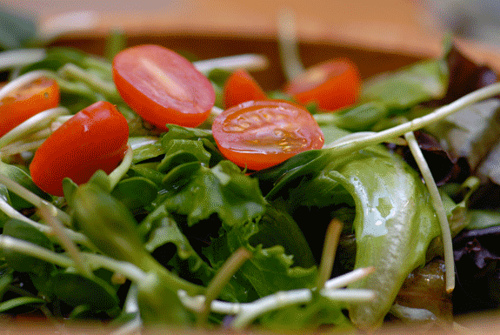
      Prepare Your Next Salad With Tangerines

      The Research and Results

      Researchers led by Murray Huff set out to study a flavonoid in tangerines known as Nobiletin. They used two groups of mice and fed both groups a typical "western" diet high in fats and simple sugars. The only difference was that one group received Nobiletin as part of the diet, while the other group did not.
      The group of mice that did not receive Nobiletin quickly began developing the symptoms of metabolic syndrome, including obesity, elevated cholesterol, high blood insulin and glucose levels and a fatty liver. The group that did receive the flavonoid experienced normal weight gain and no apparent elevation in cholesterol, triglycerides, insulin or glucose. These mice also did not experience a buildup of fat in the liver.
      In a longer-term study performed by the same research team, the mice treated with Nobiletin also were protected against atherosclerosis in the arteries, a buildup of plaque that often leads to heart attack or stroke.
      Healthy Drink
      These overall results were similar to the results found several years ago with a different flavonoid in grapefruit, but Nobiletin appears to be ten times more potent than grapefruit's Naringenin.

      You can now enjoy the many benefits of eating tangerines by incorporating this delish fruit into your healthy diet. Tangerines can be used in a variety of ways from salad to a low calorie drink. Eating the right foods is food for your soul...so enjoy!!

      Monday, March 28, 2011

      Sugar A Day Will Keep The Doctor On Call

      Sugar: The New Unhealthy
      Did you know that Americans consume about 100 to 150 calories a day from sugar-sweetened drinks? Keep that up and you'll put on about 10 pounds a year. While it's old news that soda and fruit punch are loaded with sugar, many popular fruit-flavored waters, juices and "healthy" drinks are no better. For example, a 12-ounce bottle of cranberry juice cocktail has 210 calories and 51 grams of sugar. That's like adding 13 spoonfuls of sugar to one glass of water. Sure, you're getting vitamin C, but you're much better off eating a (low-calorie, fiber-rich) orange instead.
      A good rule of thumb? Look at the first ingredient. If it's not fruit juice, put the drink down. In the case of cranberry juice cocktail, water and high-fructose corn syrup come before cranberry juice. Water or seltzer is always best, but if you can't live without your morning glass of OJ, make sure it's 100 percent fruit juice and limit yourself to one cup per day. Skim milk is another good option. Meanwhile, try to stay away from sports drinks, flavored coffees and blended beverages. And if you do indulge, stick to one 6-ounce serving.
      For those times when water just won't cut it, take to this list of the best and worst "healthy" drinks to quench your thirst without pouring on the pounds.

      healthy drinks
      Instead Of: Arizona Iced Tea (270 calories, 72 grams sugar)
      Choose: Honest Tea "Just a Tad Sweet" (85 calories, 20 grams sugar)

      Instead Of: SoBe Green Tea (240 calories, 61 grams sugar)
      Choose: Inkos Unsweetened White (90 calories, 0 grams sugar)

      Instead Of: Odwalla Protein Monster Chocolate (about 220 calories, 25 grams sugar)
      Choose: Organic Family 1% Milkfat Chocolate (150 calories, 9 grams protein)

      Instead Of: SoBe Strawberry Banana Lizard Fuel (290 calories, 73 grams sugar)
      Choose: Naked Reduced-Calorie Juice (200 calories, 40 grams sugar)

      healthy drinks
      Instead Of: Naked Pomegranate Blueberry Antioxidant Smoothie (300 calories, 64 grams sugar)
      Choose: PomLight (150 calories, 34 grams sugar)

      Instead Of: Vitamin Water (150 calories, 33 grams sugar)
      Choose: Zico Coconut Water (60 calories, 24 grams sugar)


      THE BOTTOM LINE ABOUT HIGH FRUCTOSE CORN SYRUP


        • High fructose corn syrup (HFCS) is an ingredient regularly used in soft drinks, cereal, bread and an array of other food products consumed daily. It is commonly found on food and drink labels under multiple names, such as chicory, inulin, iso-glucose, glucose-fructose syrup and fruit fructose. HFCS is worth learning more about, as is any ingredient included on the labels of foods you normally consume.

        Converts to Fat Quickly

        • According to OrganicConsumers.org, the body metabolizes corn syrup into fat more quickly than it does any other sugar. Furthermore, since most fructose is consumed in liquid form, the negative impact it has on the body from a metabolic standpoint is magnified significantly. While dietary fat is often synonymous with products containing oils or meats, HFCS is truly unhealthy in terms of its rapid conversion to fat. The substance should not be overlooked when considering items to exclude from a healthy meal plan.

        Not a Natural Food  

        • The Food and Drug Administration (FDA) has stated that HFCS is not classified as "natural" in cases where a "synthetic substance such as a synthetic fixing agent [is] included in or added to it," or in cases where natural or unnaturally derived food coloring has been added. The FDA has declined requests to formally define "natural" foods and leaves the decision up to individual state.

        Danger to Heart Health

        • Dr. Nancy Appleton, Ph.D. states, "In subjects [with] healthy glucose tolerance and those that had unhealthy glucose tolerance, fructose caused a general increase in both the total serum cholesterol and in the low density lipoproteins (LDL) in most of the subjects. This puts a person at risk for heart disease." While it is also found in fruits, fructose occurs in lower levels in fruit than it does in the form of HFCS.